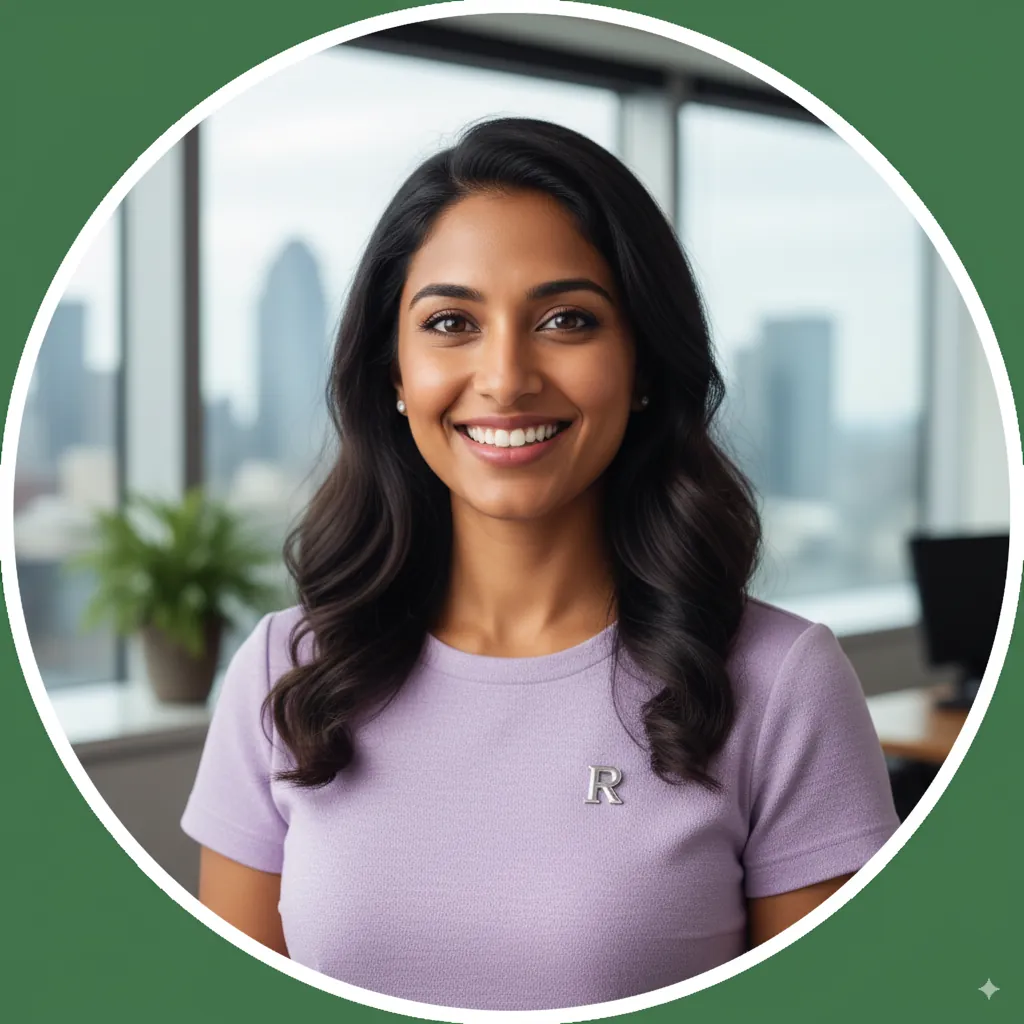









Instagram Face vs. Natural Aesthetics: Defining the Debate
In the vast world of social media, particularly Instagram, a noticeable trend has arisen— the clash between the so-called “Instagram Face” and natural aesthetics. This phenomenon describes a divergence between a hyper-stylized, curated look popularized by influencers and a more authentic, unfiltered expression of beauty. Both aesthetics present compelling arguments on how we perceive beauty and identity in the digital age.
What is Instagram Face?
Instagram Face typically embodies specific traits that align with social media’s beauty standards. This concept includes:
- Perfectly Symmetrical Features: A common element in many photos where faces are often edited or enhanced for symmetry.
- Heightened Makeup: Makeup techniques that emphasize features, often involving heavy contouring, flawless foundation, and bold eye makeup.
- Photoshop and Filters: Heavy use of applications that modify skin textures and erase blemishes, enhancing the overall appearance.
- Trendy Styles: An inclination for hairstyles and outfits that capitalize on current trends often depicted by popular influencers.
Understanding Natural Aesthetics
In contrast, natural aesthetics embrace imperfection and authenticity. This movement celebrates unfiltered images and features like:
- Real Skin Textures: Natural appearances that highlight freckles, scars, and other imperfections, showcasing genuine beauty.
- Minimal Makeup: A preference for light makeup that enhances rather than conceals, resulting in a fresh-faced look.
- Emotional Expression: Capturing candid moments that reflect real emotions and genuine experiences.
- Diversity in Beauty: Promoting various body types, ethnicities, and styles that fall outside conventional standards.
The Impact of Each Aesthetic
The debate between Instagram Face and natural aesthetics not only influences beauty standards but also affects mental health and self-image. Some significant impacts to consider include:
| Aesthetic | Impact on Self-Image | Community Response |
|---|---|---|
| Instagram Face | Can lead to unrealistic comparisons and dissatisfaction with one’s appearance. | Increases pressure to conform to trendy looks. |
| Natural Aesthetics | Encourages acceptance of diversity and imperfections. | Fosters supportive communities that celebrate authenticity. |
Why Choose One Over the Other?
Deciding between Instagram Face and natural aesthetics often comes down to personal preference and societal influences. On one hand, the polished look may grant users a sense of glamour and aspirational appeal. On the other hand, natural aesthetics might offer liberation from societal norms, allowing individuals to define their beauty on their terms.
In a world saturated with images, understanding the implications of both aesthetics can empower individuals to make informed choices about their online identities. The rise of movements advocating for body positivity and natural beauty has provided an alternative narrative that challenges the dominance of Instagram Face.
Real-World Examples of the Aesthetics
Considering the effects of these aesthetics, many public figures and influencers have started to embrace authenticity. Some noteworthy examples include:
- Essence’s natural beauty campaigns
- BuzzFeed’s explorations into makeup-free days
- Teen Voice’s body positivity initiatives
Finding Your Balance
As you navigate social media and its implications on beauty, find the balance that feels right for you. Whether you gravitate towards the polished Instagram Face or feel more at home with natural aesthetics, remember that beauty is inherently subjective. It is essential to embrace what makes you unique and resonates with your identity.
Ultimately, the choice between Instagram Face and natural aesthetics reflects a broader dialogue about self-expression and cultural standards. Whichever path you choose, ensure it aligns with your values and helps you shine in your own authentic way.
The Impact of Social Media Filters on Perceptions of Beauty
In today’s digital era, social media platforms like Instagram and Snapchat have transformed the ways in which beauty is perceived. The advent of photo filters has played a significant role in shaping our understanding of attractiveness. Users can smooth their skin, brighten their eyes, and contour their faces with just a few clicks. While these filters can enhance a photo, they also create unrealistic beauty standards that can affect self-esteem and mental health.
Many people utilize filters to craft their ideal image, focusing on flawless skin and perfectly groomed features. This can lead to a distorted sense of beauty among individuals who consume this content. You may find yourself comparing your natural appearance to these filtered versions, which, in turn, can cause feelings of inadequacy. It’s essential to recognize how these filtered images affect our perceptions of beauty and self-worth.
How Filters Create Unrealistic Standards
Filters can drastically alter a person’s appearance, often making them look significantly different from their real selves. By using advanced technology, these filters typically enhance the face and modify features such as:
- Skin Texture: Filters smooth out imperfections.
- Facial Features: They can modify the size of the eyes, lips, and nose.
- Lighting: Filters may add flattering colors and brightness to images.
As you scroll through social media, you are likely surrounded by these altered images. This can create a skewed perception of what is beautiful. Research shows that exposure to filtered images can lead to body dysmorphic disorder and increased anxiety levels among young people. The idealized standards advertised online impact how users view their own worth.
The Rise of Natural Aesthetics
In response to the pervasive influence of Photoshop and filters, a counter-movement has emerged that celebrates natural beauty. This trend encourages authenticity and self-acceptance, leading many to embrace their non-filtered selves. By prioritizing raw, unedited photos, influencers and regular users alike can inspire a more realistic representation of beauty.
Some benefits of promoting natural aesthetics include:
- Improved Self-Esteem: Individuals may feel more comfortable in their skin.
- Community Building: Artists and influencers can band together and share their real selves.
- Encouraging Discussion: Open dialogues about beauty standards can normalize imperfections.
The Psychological Effects of Filters vs. Natural Aesthetics
The psychological ramifications of using filters go beyond mere self-doubt. A study published by NCBI highlights how frequent exposure to filtered images can lead individuals to develop negative body perceptions, leading to conditions like anxiety and depression. Conversely, authentic representations foster a healthier mindset, reducing the stigma around natural beauty.
Furthermore, embracing natural aesthetics can contribute to a deeper connection with one’s audience. People are more likely to relate to someone who showcases their true self, imperfections included. This connection can promote a community built on trust and acceptance.
Challenges to Overcome
While the move towards natural aesthetics is commendable, it does face challenges. Users must navigate the reality of social media, where filters often receive more likes and engagement than unedited content. This can pressure influencers and everyday users alike to conform to the idealized images that are heavily circulated online. Some potential hurdles include:
- Social Pressure: Users may feel obligated to use filters to gain followers or approval.
- Compromise of Authenticity: Balancing personal branding with reality can be tough.
- Societal Norms: Cultural standards may still prioritize filtered images over natural representation.
Finding a Balanced Perspective
Ultimately, the key to navigating the impacts of social media filters lies in understanding their effects while promoting a culture of authenticity. Consider taking a step back to evaluate your consumption of filtered content. Limit your time spent comparing yourself to these images. Instead, surround yourself with accounts that celebrate diversity, realness, and natural beauty.
You can also engage in conversations with friends and family about the pressures of social media. Recognize that beauty comes in various forms and that the essence of personality shines through authenticity. As more people advocate for natural aesthetics—a movement that encourages acceptance over perfection—we can gradually reshape perceptions of beauty in our society.
For more information on the impact of social media filters and promoting natural beauty, visit American Psychiatric Association or explore resources at National Eating Disorders Association.
How Influencers Shape Our Understanding of Aesthetics
Social media, especially platforms like Instagram, has transformed how we perceive beauty and aesthetics. Influencers play a crucial role in shaping our understanding of what is aesthetically pleasing. They curate images, styles, and lifestyles that often set trends, drawing millions of followers into their carefully crafted worlds.
One significant way these influencers impact our perception of aesthetics is through the presentation of their physical appearance. Many popular influencers adhere to a specific “Instagram Face” standard that includes features enhanced through makeup, filters, and often, cosmetic procedures. This ideal can push followers to aspire to a polished look, influencing their self-image and beauty rituals. Here are a few elements of the “Instagram Face”:
- Flawless Skin: Many influencers promote a smooth and glowing complexion, often achieved through heavy makeup or filters.
- Defined Features: High cheekbones, a small nose, and fuller lips are frequently highlighted as desirable.
- Perfect Lighting: Influencers often utilize ideal lighting conditions to enhance their appearance in photos.
Conversely, natural beauty aesthetics celebrate authenticity, promoting raw and unfiltered images. This movement encourages followers to embrace their unique features. Influencers who advocate for natural aesthetics foster a culture of self-acceptance, helping people appreciate their imperfections. Examples of natural aesthetics may include:
- Minimal Makeup: Influencers often share content showing their bare faces or light makeup, emphasizing natural beauty.
- Real-Life Moments: Capturing candid moments rather than posed images resonates with followers who seek authenticity.
- Emphasis on Individuality: Celebrating diverse looks and styles invites followers to appreciate their unique beauty.
Both aesthetics have their merits, and influencers often blend elements of both to create a balanced image. This fusion can lead to a more complex view of beauty that resonates with a broader audience. However, the constant exposure to idealized versions of beauty can create unrealistic expectations. Influencers must take responsibility for how their content affects their audience. Ethical considerations arise when influencers promote unrealistic aesthetics without acknowledging the editing or enhancing processes of their images.
To understand how influencers shape beauty standards, it is crucial to explore their engagement with their audience. Influencers often communicate directly through comments and direct messages, which fosters a sense of community. They also engage with their followers through:
- Polls and Q&A Sessions: These interactive features allow influencers to gauge follower preferences and interests.
- Live Videos: Hosting live sessions lets influencers share their experiences authentically.
- Feedback Loops: Influencers adjust their content based on audience reactions, adapting to what resonates most.
The impact of influencers extends beyond aesthetic standards to encourage trends in fashion, wellness, and lifestyle. Their recommendation of specific products or styles can significantly affect market demand. This phenomenon is often referred to as “influencer marketing,” which brands increasingly leverage to reach millennial and Gen Z audiences effectively.
Moreover, the rise of micro-influencers is changing the landscape. These individuals have smaller followings but often enjoy higher engagement rates. Their authenticity and relatability resonate with audiences looking for genuine recommendations rather than curated perfection. As such, micro-influencers contribute to diversifying the aesthetics showcased on social media.
The role of influencers in shaping our understanding of aesthetics is multifaceted. While they can set trends and promote standards, they also have the power to encourage authenticity and self-acceptance. As you explore the world of Instagram and follow your favorite influencers, remember to engage critically with their content. Recognize that beauty comes in many forms and that the most important aesthetic is one that reflects your true self.
If you’re interested in further exploring the influence of social media on beauty standards, consider checking out sites like The Cut for articles on beauty trends or HuffPost Life for lifestyle insights. These platforms often delve into the nuances of how social media shapes our perceptions and choices.
The Psychology Behind Preferring Idealized Images
The prevalence of idealized images, especially on social media platforms like Instagram, has reshaped how people perceive beauty and self-worth. Understanding the psychology behind this preference for perfect representations can shed light on the deeper motivations that drive individuals to seek out and often compare themselves to these curated ideals.
The Allure of Idealized Images
In today’s digital age, there’s a strong draw towards images that depict an ideal version of reality. This allure can be attributed to several psychological factors:
- Social Comparison: People often engage in social comparisons, measuring their own value against others. Idealized images can set a standard that feels desirable but essentially unattainable. This can lead to feelings of inadequacy, especially when individuals believe they fall short.
- Validation and Approval: You may find that likes and comments on these idealized images create a sense of validation. This instant feedback loop can reinforce the desire to present a curated image online, encouraging more of the same behavior.
- Escapism: The visual appeal of perfect images offers a form of escapism. Beautiful settings, flawless models, and picturesque lifestyles allow users to momentarily escape their reality, providing a comforting distraction.
The Role of Filters and Editing Tools
Technology plays a significant role in creating idealized images that captivate audiences. Filters and editing tools can enhance photos, smooth out imperfections, and create a polished end product. Users frequently turn to these tools in their quest for perfection, leading to a cycle where they feel pressured to maintain a certain image. This can have negative repercussions on mental health.
Impact on Mental Health
The constant exposure to unattainable ideals can have serious effects on mental health. Research has shown correlations between frequent social media use and issues like anxiety, depression, and low self-esteem. Here are some notable effects:
- Body Image Issues: Many individuals start to develop a distorted body image as they continuously compare themselves to idealized photos.
- Fear of Missing Out (FOMO): Seeing friends or influencers leading seemingly perfect lives can lead to feelings of loneliness and exclusion.
- Imposter Syndrome: Individuals may feel inadequate or fraudulent when they do not measure up to the idealized versions they see online.
Finding Balance
It’s crucial to find a balance between enjoying social media and protecting mental well-being. Here are some strategies to help you foster a healthier relationship with social media:
- Follow Diverse Accounts: Seek out accounts that promote body positivity, authenticity, and diversity. This can offer a more realistic view of beauty and life.
- Limit Exposure: If you notice certain accounts triggering negative feelings, consider unfollowing or muting them to create a more uplifting feed.
- Engage Mindfully: Take time to reflect on how social media impacts your mood. Engaging in self-care practices can mitigate unfavorable effects.
Understanding the Media’s Role
The media also plays a pivotal role in shaping perceptions of beauty and success. Rashida Tlaib once said, “We need to make sure women are represented as well; we are not always just the beautiful faces.” Such statements highlight the importance of representation beyond the ideal. It’s essential to advocate for a broader range of portrayals in media that embrace authenticity and individuality.
By recognizing the psychological factors behind our attraction to idealized images, we can better navigate the complexities of social media. It’s important to emphasize that beauty often lies in imperfections and that self-worth should not be tied to an unrealistic standard. For further reading on this topic, check out Psychology Today for insights on self-esteem, or visit HuffPost to explore studies on body image and social media’s effects.
In recognizing the impact of the idealized images we see, you can take steps toward fostering a healthier mindset, focusing on authenticity rather than perfection.
Navigating Authenticity in a Highly Curated Digital World
In today’s digital landscape, authenticity has never been more pertinent. With social media channels, especially Instagram, becoming daily highlights for many, individuals and brands alike often engage in highly curated presentations of their lives. This phenomenon raises important questions about the balance between showcasing a polished image and staying true to oneself. Understanding how to navigate this spectrum of authenticity is essential for anyone seeking meaningful connections online.
Instagram, a platform renowned for its stunning visual storytelling, often creates environments where idealized images seem like the norm. Influencers and brands utilize filters, strategic lighting, and professional editing to create content that can sometimes feel disconnected from reality. This curated aesthetic is appealing, but it can also lead to feelings of inadequacy among viewers who compare their own lives to these perfected portrayals.
Here are some factors to consider when exploring authenticity within highly curated digital spaces:
- Self-Expression: Expressing yourself authentically means sharing your story, even the parts that are not perfect. Authenticity resonates with others, often creating deeper connections.
- The Role of Filters: Filters and edits can enhance photos but can also distort reality. Assess how these adjustments affect your representation of self.
- Engagement Over Perfection: Rather than focusing solely on creating the “perfect” post, aim for engagement. Encourage conversations that reflect real-life experiences.
- Shift in Consumer Expectations: Users today increasingly value authenticity over perfection. Catering to this shift can attract a more engaged and loyal audience.
When you share authentic content, you invite your audience into your reality. Whether you’re an individual or a brand, telling your story with honesty can lead to better engagement. This means showing both the highlights and the low points in your journey.
To further illustrate the shifts in audience preferences, consider the following table which highlights the key reasons users favor authentic content:
| Reason | Impact |
|---|---|
| Genuine Connection | Fosters trust and relatability with your audience. |
| Emotional Resonance | Triggers feelings that lead to sharing and engagement. |
| Value Alignment | Aligns your brand/message with those of your followers, enhancing loyalty. |
The interplay between curated aesthetics and natural representations creates a unique space for dialogue. For many users, seeing the ‘real’ behind the lens promotes openness. When you show up as your true self, it often inspires others to do the same. This not only cultivates community but encourages a more supportive environment online.
Brands are also recognizing the benefits of authenticity. Rather than solely employing highly polished marketing strategies, many are choosing collaborations with influencers who prioritize relatable content. A brand’s willingness to deviate from the traditional route and embrace a more organic approach can yield positive results, including increased engagement and MROI (marketing return on investment).
Being authentic in a curated world doesn’t mean rejecting aesthetics entirely; instead, it means balancing professionalism with sincerity. You can still produce high-quality content while remaining true to yourself and your audience. As you create posts, think about the choices you make:
- What message are you trying to convey?
- Does this post reflect who you truly are?
- How does it contribute to a larger conversation?
For more insights into navigating authenticity and creating meaningful interactions in the digital world, you can check out resources on platforms like Social Media Examiner or Digital Marketer.
In navigating the realm of Instagram and other digital platforms, remember that authenticity can coexist with aesthetics. By focusing on genuine self-expression and real interactions, you can cultivate a space that encourages both connection and creativity. Ultimately, what matters is not just how you are perceived online, but how you feel about the image you present to the world. Embrace your uniqueness, and let it shine through your content.
The Role of Self-Expression in Natural Aesthetic Trends
In today’s visually-driven world, self-expression plays a crucial role in shaping attitudes and trends, especially within the realm of aesthetics. The rise of natural aesthetics is not just about what looks good, but also about who we are as individuals. Embracing our uniqueness through natural aesthetics offers a powerful avenue for self-expression, allowing us to break free from traditional beauty norms.
Natural aesthetics emphasize authenticity over perfection. This movement encourages individuals to celebrate their true selves rather than conform to societal expectations often promoted on platforms like Instagram. Here’s how self-expression intertwines with this refreshing trend:
1. Connection with Nature: Many individuals are gravitating towards aesthetics that resonate with nature’s beauty. This connection may manifest through the use of organic materials, earthy color palettes, and sustainable fashion choices. When you choose to express yourself in harmony with nature, you invite a sense of peace and authenticity into your life.
2. Unique Personal Styles: Natural aesthetics allow for more diverse and personalized styles. While traditional beauty standards often emphasize certain features, the current trend celebrates individual differences. From body types to personal fashion choices, expressing your uniqueness fosters a more inclusive atmosphere, encouraging others to do the same.
3. Raw and Unfiltered Content: The popularity of unedited and raw content on social media platforms is a significant aspect of self-expression within natural aesthetic trends. Platforms like Instagram have seen people proudly posting images that showcase flaws and imperfections. This shift helps foster a community that values authenticity over curated perfection, enabling others to embrace their true selves.
Engagement in natural aesthetics also invites creative expression through various mediums. Here are a few ways individuals are showcasing their personalities:
- Fashion: Choosing natural fabrics over synthetic materials not only respects the environment but also aligns with personal values.
- Home Decor: Embracing an organic design that includes plants, natural light, and rustic elements reflects an individual’s character.
- Social Media Presence: Focusing on authenticity by sharing moments instead of staged photos connects followers on a deeper level.
Self-expression through natural aesthetics is not just a trend; it’s a movement that empowers individuals to be true to themselves. This empowerment is evident when looking at the common themes emerging within this lifestyle. Here’s a brief table showcasing some key aspects:
| Aspect | Description |
|---|---|
| Eco-Friendliness | Using sustainable materials to promote environmental awareness. |
| Body Positivity | Celebrating diverse body types and rejecting traditional beauty ideals. |
| Minimalism | Simplifying possessions and focusing on quality over quantity. |
| Mindfulness | Encouraging awareness of one’s environment and lifestyle choices. |
This shift in aesthetic trends encourages many to express themselves authentically. It is crucial to remember that self-expression encourages self-love and acceptance. As more individuals embrace natural aesthetics, they inspire others to break free from the unrealistic standards often perpetuated on social media.
Ultimately, the role of self-expression in natural aesthetic trends is not only about outer appearances but also reflects our inner beliefs and values. When you embrace your natural self, you contribute to a more diverse and accepting community. By sharing this journey, you’re empowering not just yourself but others in the pursuit of authenticity.
For further insights into this evolving trend, you can explore resources available at Naturalize Me and delve deeper into the principles of authenticity in aesthetics.
Engaging with these trends and resources can provide you with a more profound understanding of how natural aesthetics can play a transformative role in your self-expression journey.
Future Trends: Instagram Aesthetics and Evolving Beauty Standards
Instagram has reshaped the beauty landscape, influencing how people perceive aesthetics. The platform encourages a mix of aspirational lifestyles combined with curated visual storytelling. As society evolves, so do our beauty standards, driven largely by social media trends. Understanding the future of these aesthetics can provide insight into what beauty means today and what it may mean tomorrow.
One of the dominant characteristics of Instagram aesthetics is the pursuit of perfection. Users often rely on filters and editing tools to present an idealized version of themselves. This quest for a flawless appearance can lead to unrealistic beauty standards, making it crucial to examine how this impacts self-esteem.
The Impact of Influencers
Influencers play a significant role in setting trends within the Instagram community. Their curated feeds often present a homogenized view of beauty that can pressure followers to conform. Here are some ways influencers shape aesthetics:
- Promotion of Cosmetic Procedures: Many influencers proudly share their experiences with cosmetic enhancements, altering what is deemed beautiful.
- Curated Lifestyle: Influencers select specific locations, outfits, and lifestyles that project an ideal life, reinforcing aspirational aesthetics.
- Editing Practices: Advanced editing tools allow influencers to create images that may not accurately reflect reality, impacting followers’ perceptions.
The Natural Aesthetic Movement
In response to the polished look dominating Instagram, a movement towards natural beauty is emerging. Users are starting to embrace authenticity, showcasing unfiltered content that celebrates flaws and individuality. This shift represents a significant challenge to traditional beauty standards. Key points include:
- Promotion of Self-Love: Content that emphasizes self-acceptance encourages followers to appreciate their unique features.
- Inclusive Representation: Real-life models of all body types and backgrounds are gaining visibility, helping expand the definition of beauty.
- Raw Imagery: Users sharing unedited photos foster a relatable aesthetic that resonates deeply with their audience.
Trends on the Horizon
As we look to the future, several trends are poised to shape Instagram aesthetics and beauty standards:
- Augmented Reality Filters: AR filters will grow more sophisticated, allowing users to engage with beauty in new ways while still emphasizing individuality.
- Virtual Influencers: The rise of AI-generated models may shift user perceptions of beauty as these digital influencers promote unattainable standards.
- Ethical Beauty: There is a rising demand for brands that focus on sustainability and ethical practices, aligning product choices with evolving values in the beauty community.
Inclusivity and Diversity in Aesthetic Standards
The push for more inclusive beauty standards represents a pivotal change in the Instagram aesthetic landscape. More users advocate for diversity across various dimensions, whether related to body shape, skin tone, or personal expression. Some aspects of this change include:
- Body Positivity: Campaigns promoting body diversity are gaining traction, encouraging people to celebrate rather than hide their differences.
- Cultural Representation: There’s a greater appreciation for beauty inspired by various cultures, enriching the norms with diverse influences.
- Gender Fluidity: The blurring of gender lines in fashion and beauty is becoming increasingly accepted, reflecting broader societal changes.
With Instagram continually evolving, the platform’s influence on beauty standards will undoubtedly adapt as well. The growing emphasis on natural aesthetics juxtaposed against curated perfection may ultimately lead to a more inclusive future where authenticity reigns supreme.
For those intrigued by how social media can redefine beauty, The Cut offers insightful articles on cultural trends, while Refinery29 provides exploration of beauty standards in relation to social media. Additional resources like Harper’s Bazaar cover emerging fashion and beauty trends in-depth.
Key Takeaway:
Key Takeaway: The Clash Between Instagram Face and Natural Aesthetics
In today’s digital landscape, where perfection often takes center stage, the ongoing debate between "Instagram Face" and natural aesthetics is reshaping how we perceive beauty. The term "Instagram Face" describes a highly curated look popularized by social media influencers, where features are often enhanced through filters and editing apps. This pursuit of an idealized image has transformed beauty norms, making symmetrical features, sculpted cheekbones, and flawless skin the expected standards.
Social media filters play a significant role in this debate, impacting the way individuals perceive themselves and others. These visual enhancements can create unrealistic expectations, leading some users to feel inadequate in comparison. Studies have shown that prolonged exposure to such idealized images can influence one’s self-esteem and self-worth. As you scroll through Instagram, it’s crucial to recognize the impact of these filters and how they shape our understanding of beauty.
Influencers, often seen as the gatekeepers of modern aesthetics, play a pivotal role in shaping societal views. Their curated lives, polished images, and brand collaborations often set the trends that many aspire to replicate. However, this influence raises questions about authenticity and whether true self-expression can thrive within such a rigid framework.
The psychology behind preferring these idealized images further complicates the discourse. We are naturally drawn to appealing visuals, which can lead to an implicit bias towards those who fit conventional beauty standards. This can skew our perceptions of what is truly beautiful.
Amidst this digital noise, authenticity rises as a powerful counter-narrative. As people increasingly seek to express their individuality, natural aesthetics are becoming a refreshing trend. This movement emphasizes raw beauty, self-acceptance, and a shift towards embracing imperfections.
Looking ahead, the landscape of beauty standards is bound to evolve. The rise of natural aesthetics may signal a pushback against the excessive curation seen on platforms like Instagram, encouraging a more diverse representation of beauty that celebrates different shapes, colors, and styles. As you navigate this fluid environment, embrace the shift towards authenticity while appreciating the complexities objectifying beauty has brought into our lives. Ultimately, it’s about finding balance—celebrating both idealism and authenticity as key components of our diverse expressions of beauty.
Conclusion
The conversation around Instagram face versus natural aesthetics reveals much about our evolving views on beauty and self-expression. As we’ve explored, the use of filters and photo editing apps drastically alters perceptions of attractiveness, often promoting unattainable standards that can influence self-esteem. Influencers play a pivotal role in this dynamic, setting trends that mold collective ideals of beauty and making it challenging to discern authenticity in a curated digital landscape.
Psychologically, our attraction to idealized images speaks to deeper issues, such as a desire for validation and acceptance in a society dominated by social media. As we learn to navigate this complex world, it becomes crucial to celebrate the unique qualities that define us individually, rather than conforming to societal pressures. The rise of natural aesthetics, emphasizing authenticity, allows for a welcome shift toward personal expression and comfort in one’s skin.
Looking ahead, beauty standards will likely continue to evolve. As more individuals embrace natural aesthetics and call out the unrealistic portrayals often seen on platforms like Instagram, we may see a broader acceptance of diversity in beauty. This shift opens up room for genuine interactions and a deeper appreciation for what it means to be uniquely beautiful. Ultimately, as users and creators alike, embracing authenticity can foster a positive culture that values real beauty, encouraging everyone to express themselves freely without the constraints of perfection.