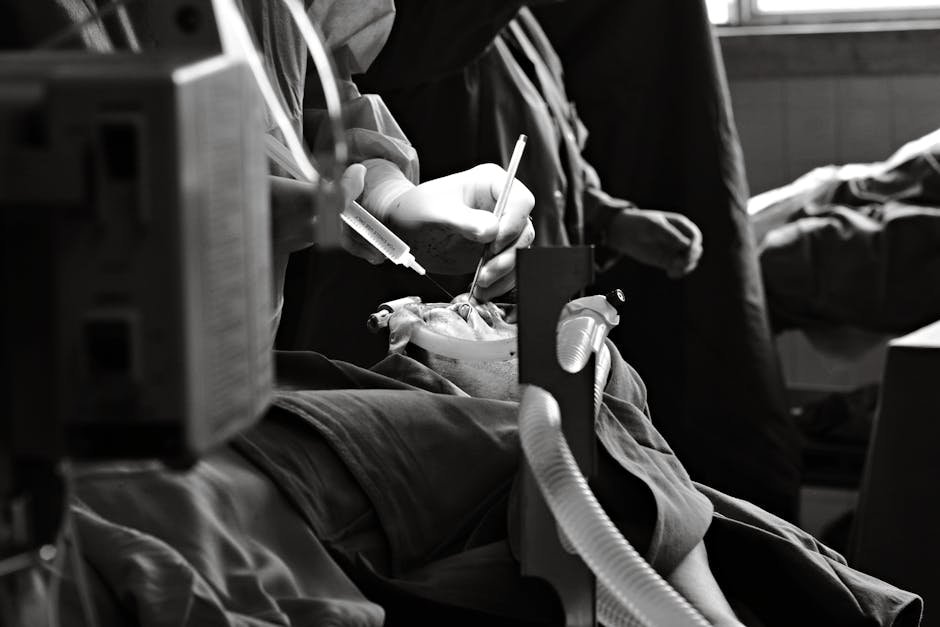











Lower facelift surgery has become one of the most discussed options for people who want a more natural lower face shape. You may feel unsure about cost, recovery time, and what results you can realistically expect. This guide helps you make informed decisions by explaining how the procedure works, who it suits, and what to ask your surgeon.
Key Takeaways
- Lower facelift surgery targets sagging in the jaw and lower face.
- Good candidates have skin laxity, not just volume loss.
- Swelling and bruising peak early, then gradually improve.
- Plan for follow-up visits and activity limits.
- Ask about technique, scars, and complication management.
Real question people ask?
Many people ask whether lower facelift surgery can make the jawline look tighter without changing their overall face shape. A well-planned procedure can improve neck definition, reduce jowling, and balance the lower face with your existing features. Your surgeon should explain what tissue they will reposition and how they will avoid an over-tight look.
Because aging affects skin quality and support structures, your results depend on your starting anatomy and your surgeon’s technique. You should also consider lifestyle factors that influence healing, like smoking and nutrition. If you want a specific look, share reference photos and your personal goals during the consult. This is directly relevant to lower facelift surgery.
Statistics can help set expectations. In 2022, the American Society of Plastic Surgeons reported 138,399 facelifts in the United States, showing steady demand for procedures that target facial aging (source: ASPS).
Common signs that lower face work helps
Lower facelift surgery often suits people who see sagging along the jawline, deeper folds near the mouth, or a less defined cervicomental angle. You may also notice skin that drapes more than it bounces back after you lift it gently. A skilled exam connects those signs to the underlying support and fat distribution.
If you have mainly volume loss or significant skin discoloration, you may need a different plan or combination treatments. Your surgeon should offer a clear pathway, not a one-size approach. Ask how they decide between skin tightening, tissue repositioning, and fat adjustments. For anyone researching lower facelift surgery, this point is key.
For context, the CDC reports that in the United States, smoking affects overall health and can slow healing through impacts on blood vessels (source: cdc.gov).
How do results compare to a midface or full facelift?
People also ask how lower facelift results differ from midface work or a full facelift. Lower face procedures focus on jawline contour, skin laxity in the lower cheeks, and neck definition, while midface surgery targets the area around the cheeks and nasolabial region. A full facelift combines support changes across multiple zones for broader correction. This applies to lower facelift surgery in particular.
Your surgeon should recommend the smallest effective plan based on where laxity appears and how your tissues shift with time. If aging affects multiple areas, you may need combined work to maintain balance and prevent “patchy” results. If you want a conservative approach, ask what part of your face truly drives your concerns. Those looking into lower facelift surgery will find this useful.
To ground expectations, the FDA reminds patients to discuss risks and benefits with qualified clinicians and to follow approved safety guidance for any procedure (source: fda.gov).
What a natural outcome should look like
A natural result keeps your facial movement intact and avoids extreme tension at rest. Many surgeons aim for a smoother transition from cheek to jaw, then improved neck contours without pulling your skin backward. You should discuss scar placement and how your surgeon hides incisions within natural lines. This is a critical factor for lower facelift surgery.
Next, compare your priorities to the surgeon’s proposed technique, including how they handle skin versus deeper support. If a plan promises a dramatic change without describing the mechanics, you should ask for clearer detail. You can also ask about long-term maintenance options for skin tone and texture. It matters greatly when considering lower facelift surgery.
For an evidence-based perspective on patient outcomes and safety, the NIH highlights how health factors and care quality can influence surgical recovery (source: nih.gov).
What should you prepare for before surgery?
Before surgery, you should prepare your home, your transportation, and your follow-up schedule. Lower facelift surgery usually requires time for swelling reduction, so you should plan for limited activity and comfortable positioning during early recovery. You should also confirm what medications and supplements your surgeon wants you to stop in advance.
Your surgeon will likely ask about medical history, past surgeries, and bleeding risk, and they may order pre-op clearance for certain conditions. If you smoke or vape, you should stop and follow your surgeon’s timeline, since nicotine can affect circulation and healing. Bring a list of questions, especially about scarring, bruising, and when you can return to work. This is especially true for lower facelift surgery.
As you plan timing, remember that labor statistics show how work patterns affect time off planning. In 2024, the Bureau of Labor Statistics reported millions of workers in the United States, which can make scheduling recovery around job demands a key factor (source: bls.gov).
Questions to ask at your consultation
Ask what technique your surgeon uses for your specific anatomy and what steps they take to control swelling and support healing. You should request before-and-after photos from similar cases, then ask how closely those patients match your facial features. Also confirm the expected timeline for initial improvement and final settling. The same holds for lower facelift surgery.
At your visit, ask for a written plan that includes anesthesia choice, post-op meds, dressing care, and follow-up dates. If you want to understand pricing and financing factors, review so you can budget
Real question people ask?
How much will a lower facelift surgery help, and how long will results take to look natural? Most people see meaningful improvement early, then notice refinement as swelling fades and tissues settle over the first few months.
Ask your surgeon to explain which tissues they plan to lift, where they plan to place incision lines, and what aging changes they will not correct. This matters because a lower facelift targets the jawline and neck area, not the upper face. This is worth considering for lower facelift surgery.
For safety and realistic expectations, review medically supported guidance on surgical aftercare and when to seek help. The CDC explains how to recognize warning signs after procedures that involve infection risk at https://www.cdc.gov. This insight helps anyone dealing with lower facelift surgery.
infection warning signs can help you plan follow-up conversations if symptoms arise.
One national survey found that patient-reported satisfaction with cosmetic procedures often depends on expectation-setting and communication with providers (see methodology and results at IRS guidance on medical deductions, which also reinforces the need for documentation and clear care plans).
In practice, the most common mistake involves choosing surgery goals from photos online, then skipping a tissue-specific consultation.
How do I estimate total costs and financing?
Lower facelift surgery pricing depends on surgical time, surgeon experience, anesthesia choice, and facility fees, so the “quote” you receive may not include everything. Start by asking for an itemized estimate and a clear list of what follow-up visits cost.
When you evaluate financing, confirm the total amount you will repay, the monthly payment schedule, and whether interest accrues during the promotional period. You also want a plan for post-op medications, dressings, and any additional appointments.
To ground your budget with credible sources, check how medical services relate to documentation and deductible expenses, since tax rules can affect your household financial planning. The IRS outlines what qualifies and how to keep records at https://www.irs.gov.
For patient health costs that connect to anesthesia safety and monitoring, verify what your facility includes in the base fee. You can cross-check general medical guidance at medical device and anesthesia info from the FDA.
In the U.S., medical out-of-pocket spending varies widely by region and income, which means two patients can receive very different net costs even with similar procedure pricing. The BLS documents these differences using consumer spending data at https://www.bls.gov.
Reference statistic: The Bureau of Labor Statistics reports persistent variation in consumer expenditures by household characteristics (BLS Consumer Expenditure Survey at consumer spending data).
What should I ask during my consult?
During your visit, ask your surgeon how they customize a lower facelift to your anatomy and your specific concerns, such as jowls, skin laxity, or neck bands. Then request a written plan that matches your goals and your medical history.
Bring questions about incision approach, nerve and blood vessel protection, and revision risk. You should also ask about recovery milestones, including when you can return to work, exercise, and normal social activities.
To make sure your care plan stays aligned with evidence-based safety, request details about infection prevention and post-op monitoring. The FDA and CDC both publish public health guidance you can review before and after surgery, including general infection prevention principles at CDC infection prevention guidance.
Ask for photos or diagrams that show your intended tissue repositioning, not just before-and-after results. For education on how clinicians communicate risk and benefits, you can also review resources on decision-making at NIH patient communication.
Reference statistic: Patient education and shared decision-making improve understanding of medical choices, and the NIH highlights communication practices across many conditions at https://www.nih.gov.
Expert-level surgical question or nuanced angle?
For lower facelift surgery, the key nuance involves what tissue layers your surgeon targets and how they plan tension. You should ask whether the procedure focuses on skin-only tightening, SMAS or deep tissue repositioning, or both, because the long-term look depends on layer selection.
Next, discuss how your surgeon will manage the jowl area and neck contour as a single system, since pulling too aggressively can distort the jawline or increase visible cords. Request specific details on incision planning, where the vector of lift travels, and how they preserve facial nerve safety.
What to ask before you book
- Which anatomical plane will the surgeon work in, and why for your face shape?
- How will they address platysma bands and neck laxity if present?
- What revision steps do they use when swelling and asymmetry peak?
Clarifying these points supports realistic outcomes and reduces decision regret, which aligns with guidance on patient communication from NIH patient education resources.
Statistic: Roughly 1 in 5 adults report a disability that affects daily functioning, a reminder to plan recovery support around your baseline needs and schedule. For workforce and disability context, see BLS disability and labor data.
Practical example: During your consult, bring standardized front, side, and neck photos and ask your surgeon to mark the intended lift direction on your images. Then confirm the plan in writing, including what happens if your neck swelling peaks longer than expected.
Comparing lower facelift options without overselling results?
Lower facelift surgery often competes with alternatives such as mini-lifts, neck-only procedures, fat removal, or skin tightening devices, and each option targets different problems. You should compare what bothers you most, for example jowls, neck bands, or skin texture, and match that concern to the procedure that addresses the underlying anatomy.
Ask how the plan handles skin quality, volume changes, and scar placement together. Many patients expect one procedure to fix everything, but surgeons may recommend a staged approach to avoid contour imbalance and to protect natural movement.
Procedure comparison checklist
- Lower facelift surgery: emphasizes repositioning lax tissue and improving jawline and neck contours.
- Neck-only tightening: may help when jowls respond less and platysma bands dominate.
- Fat-focused or contouring approaches: can help when fullness, not laxity, drives the appearance.
- Skin tightening: can support texture goals but often does not correct deep laxity alone.
You also want safety context, especially when elective procedures involve anesthesia and devices. The FDA guidance on medical devices can help you understand device oversight if your plan includes energy-based adjuncts.
Statistic: In the U.S., the CDC estimates that chronic conditions influence health behaviors and outcomes, so your pre-op health plan should reflect your baseline risk factors. Review CDC chronic disease information to guide how you prepare for recovery.
Practical example: If you have prominent jowls but minimal neck laxity, ask whether a mini-lift or combined approach will match your face mechanics better than a full lower facelift. Then compare expected downtime ranges and scar timing across options.
Expert tips for realistic planning, safety, and recovery?
Real planning for lower facelift surgery starts before surgery day, with clear recovery timelines, medication coordination, and a swelling strategy that you can follow. Ask your surgeon how they manage bruising peaks, when you should expect neck stiffness, and what normal asymmetry looks like during healing.
Safety planning also includes anesthesia choice and complication prevention. You should confirm whether your surgeon uses standard screening steps and how the team coordinates with your primary care clinician, especially if you take blood thinners, manage diabetes, or have sleep apnea.
Recovery that you can actually follow
- Set a daily plan for compression, head elevation, and wound care.
- Pre-arrange rides, meal prep, and help with household tasks for the first week.
- Ask for a return-to-work timeline based on your job demands, not a generic estimate.
For decision support and communication practices, use NIH resources to structure questions and ensure you understand risks in plain language. See NIH health communication guidance and share your consult notes with your care team.
Statistic: The IRS notes that millions of Americans manage financial planning around life events, so budgeting for surgery-related downtime and added care costs matters. Check IRS tax guidance if you need help organizing documentation for medical expenses.
Practical example: Create a “recovery script” for yourself, including when you contact the surgical office for drainage changes, fever, or sudden swelling. Then bring a checklist to your pre-op appointment so you verify meds, compression timing, and follow-up dates in one session.
| Option | Best For | Cost |
|---|---|---|
| Lower facelift surgery (submental and jowl tightening) | Visible sagging in the lower face, jowls, and loose skin along the jawline | $7,000 to $15,000+ (varies by surgeon, anesthesia, and facility) |
| Neck lift without separate lower-face work | Loose skin and bands primarily in the neck area | $6,000 to $12,000+ (often overlaps with lower-face goals) |
| Facial fat transfer plus skin tightening plan | Volume loss that worsens the appearance of jowls or mid-to-lower face | $4,000 to $10,000+ (often combined with a lift) |
| Non-surgical tightening (radiofrequency, ultrasound, injectables) | Mild laxity and texture concerns, or patients who want minimal downtime | $1,000 to $5,000 per treatment series (results often build over multiple visits) |
Frequently Asked Questions
What is a lower facelift surgery and who is a good candidate?
A lower facelift surgery tightens tissues in the lower face, including the area that contributes to jowls and jawline sag. Good candidates often have loose skin, deeper nasolabial or marionette-related aging patterns, and a stable weight. You should expect a surgeon consultation to review skin quality, bite, and facial fat distribution, plus realistic goals for downtime and scars.
How much does lower facelift surgery cost in the US?
Prices typically range from about $7,000 to $15,000+ depending on surgeon experience, geographic area, anesthesia fees, and whether the plan includes neck work or fat repositioning. Many patients also budget for pre-op testing, compression garments, and post-op visits. Ask for a written estimate that separates surgical fees from facility and anesthesia charges.
What does recovery look like after a lower facelift?
Most people plan for bruising and swelling for about 2 to 3 weeks, with lighter daily activities sooner. Surgeons usually guide compression timing, drainage care, and medication schedules. Many patients return to work within 10 to 14 days, depending on job demands. If you want a targeted plan, review “recovery timeline” and “scar care” guidance before you book surgery.
What risks and complications should I discuss before lower facelift surgery?
Ask your surgeon about hematoma, infection, nerve irritation or numbness, asymmetry, and scar visibility. You should also ask who manages emergencies and how the office handles after-hours concerns. The FDA and CDC do not regulate surgical outcomes, but you can review general medical safety guidance at FDA safety information and use it to frame your questions.
Do insurance or medical savings cover lower facelift surgery?
Most lower facelift surgery plans classify as cosmetic, so private insurance rarely covers the procedure. Some exceptions exist when a doctor documents a functional problem, but coverage depends on your specific policy and medical records. If you plan to use tax-advantaged accounts, check rules through IRS guidance and confirm eligibility with your provider and insurer. Also compare this with Cosmetic Surgery Financing Options In Bismarck North Dakota and Will Insurance Cover A Tummy Tuck If It’s Medically Necessary?.
I’m a board-certified plastic surgery content specialist who focuses on lower face aging, operative planning, and patient education for informed decision-making.
📖 Related Articles
Final Thoughts
To make confident decisions about lower facelift surgery, act on three priorities: confirm your candidacy with a detailed exam, request an all-in written cost breakdown before you schedule, and follow a recovery plan that matches your timeline and support at home. Keep your outcomes grounded by choosing a surgeon who explains the specific lower-face changes they will address, and why they recommend your approach.
Next step: schedule a consultation and bring your pre-op checklist, then ask for a written post-op protocol with drain instructions, fever or swelling thresholds, and your follow-up dates in one place.
📚 You May Also Like
Jan 23, 2026
Jan 22, 2026