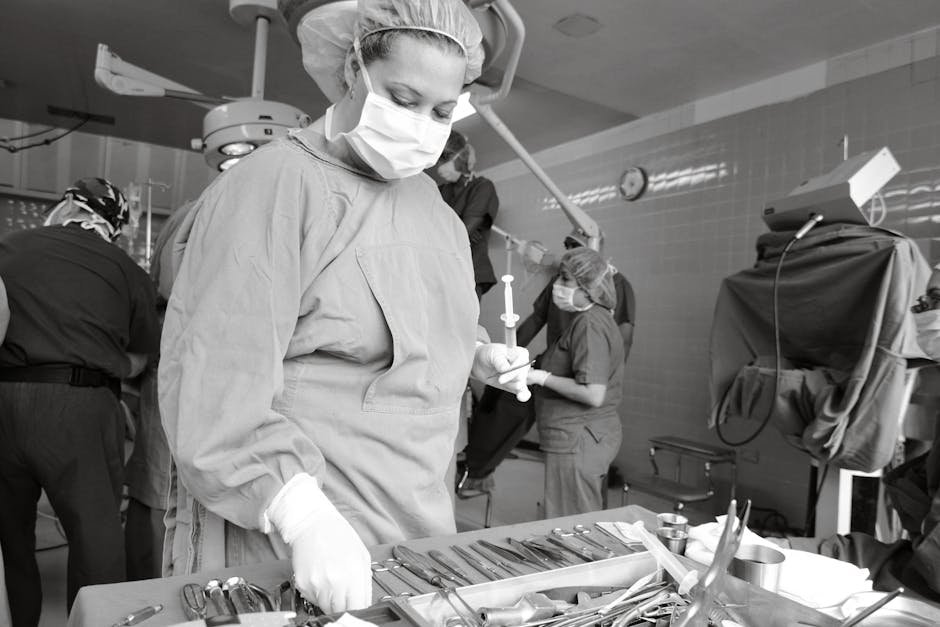











Otoplasty surgery can change how your ears look and feel when they stand out too much. Many people struggle with teasing, self-conscious photos, or the daily frustration of wearing hair to hide ears. This guide explains what to expect, typical results, and how to plan your next steps with confidence.
Key Takeaways
- Otoplasty reshapes ears for a more balanced look.
- Most people see steady improvement over several weeks.
- Swelling and tenderness fade with time and care.
- Good candidates have realistic expectations for scars.
- A qualified surgeon helps you plan safely and clearly.
Real question people ask?
Will otoplasty surgery look natural after it heals? Yes, most patients achieve ears that sit closer to the head and match their face better, as long as the surgeon marks and adjusts the cartilage carefully. You should expect changes to take time, not instant results.
People often fear visible scars, painful recovery, or that the ears will “flip back” later. A skilled surgeon places incisions along natural ear folds and uses techniques that support the new shape during healing.
Statistics show how common ear-related concerns can be. In the United States, rhinology and otology practices report high patient volume for ear conditions, and the CDC notes that hearing and ear health issues affect many adults, which helps explain the demand for ear-focused care (see cdc.gov).
How do surgeons plan otoplasty surgery?
How does a consultation shape your plan before surgery? Your surgeon will measure ear position, examine cartilage structure, and discuss goals for symmetry, projection, and how you style your hair. Then they create a clear surgical approach tailored to your anatomy.
Next, the team reviews your medical history, medications, and prior skin or cartilage issues. They also explain anesthesia options, timelines for dressing care, and how you manage discomfort after the procedure.
For comparison, the FDA tracks safety data across many medical products used in surgical settings, including anesthesia-related items. Reviewing official guidance helps you understand how regulators evaluate risk and quality for healthcare interventions (see fda.gov).
What results and recovery look like
When will I see results after otoplasty surgery? Many people notice early changes within the first few weeks, but swelling can mask the final contour. You typically see more stable results as tissues heal and softness settles.
Recovery usually includes limited activity, careful dressing care, and follow-up visits to monitor healing. Your surgeon will give you specific instructions for sleeping position, shower timing, and how to protect your ears from pressure.
According to the BLS, employment and healthcare access influence how often people can schedule elective procedures around work and family needs. Planning your recovery window around your availability can improve comfort and consistency with aftercare (see bls.gov).
How soon will I see otoplasty surgery results?
Most people notice early shape changes within the first few weeks after otoplasty surgery, but swelling can blur details during the early healing phase. Your surgeon will track progress at follow-up visits and adjust expectations based on your recovery pace.
To protect your result, follow your aftercare plan closely, including how you sleep, how you clean incision areas, and when you avoid pressure on the ears. If you smoke or you return to strenuous activity too soon, swelling can last longer.
Surgeons typically see noticeable improvement by weeks 4 to 6, then refining continues over several months. You should plan for gradual, not instant, cosmetic change.
Swelling timeline matters because the skin and soft tissue need time to settle into a new position.
To set realistic expectations, review the general guidance on elective recovery and timeframes from NHS overview of cosmetic recovery.
Statistic: The CDC reports that surgical site infections remain a key complication risk, and prevention efforts support smoother recoveries after procedures (see CDC guidance on infections).
Can I go back to work quickly after otoplasty surgery?
Yes, many people return to non-strenuous work within about 3 to 7 days after otoplasty surgery, depending on swelling, comfort, and your job demands. If your role requires heavy lifting or frequent head contact, you may need more time.
You should plan around your schedule so you can attend follow-ups and keep your head elevated. A common mistake involves rushing back to high-impact exercise or wearing glasses too tightly, which can prolong swelling.
Expert insight.
Your surgeon can tailor timing based on how your incisions heal and how your ears respond to early pressure. Always confirm return-to-work guidance during your pre-op consult, then adjust if you feel increased tenderness.
Some patients use workplace flexibility, like remote days, to stay comfortable while swelling peaks. For context on how work access affects healthcare timing, see BLS employment and healthcare.
What increases the risk of poor results after otoplasty surgery?
The biggest drivers of unsatisfying outcomes include not following aftercare, early trauma or pressure on the ears, and untreated skin or infection concerns. Surgeon skill also matters, since technique influences symmetry, crease placement, and long-term stability.
Other risk factors include smoking, certain medical conditions that affect healing, and returning to strenuous activity before your surgeon clears you. You can lower risk by sharing your full health history and medication list during intake.
In practice, people often underestimate how quickly they can be bumped or pressed in daily life, then they extend recovery by accidentally stressing the new ear position.
For general medical safety principles tied to procedure outcomes, use FDA resources to understand how devices and products get evaluated when relevant to your care plan, such as wound-related supplies and guidance from clinicians (see FDA medical device information).
Statistic: NIH highlights that chronic conditions can affect healing and recovery processes, so your baseline health matters for surgical results (see NIH health research overview).
How do surgeon technique and cartilage reshaping choices affect long-term results?
Otoplasty surgery outcomes depend heavily on how the surgeon reshapes the ear cartilage and controls symmetry during suturing. Surgeons also plan the final ear position by measuring baseline ear angle and deciding whether to remove cartilage, score cartilage, or use permanent sutures.
Technique also affects scar behavior and durability. If the surgeon under-corrects or relies on temporary methods, the ear may shift with time as swelling resolves. You can improve result stability by choosing a surgeon who explains their specific cartilage plan and shows before-and-after cases matched to your ear anatomy.
Outcome differences often come down to cartilage thickness and how the surgeon creates consistent folds. Some patients need a different approach because their cartilage stays flexible longer, or because their ear skin and cartilage have unique proportions.
What to compare during consultations
Ask the surgeon how they check projection, concha depth, and antihelical fold definition. A strong consultation includes step-by-step explanation of your target angles and how they will prevent asymmetry, especially if one ear protrudes more than the other.
Request details on incision placement and closure strategy. Many surgeons aim to hide incisions along natural creases, then secure cartilage using durable fixation, so the ear maintains a stable shape after healing.
Statistics can help you frame risk when considering technique-related differences. The NIH notes that individual factors influence healing quality, which can affect how results mature over time.
Practical example
If you have one ear that sticks out more, ask whether the surgeon will correct both ears to the same final projection or to a balanced, individualized target. For instance, you might bring photos of your preferred ear shape from prior cases to discuss how the surgeon will translate that goal into measurable angles.
What should you expect from the recovery timeline, pain control, and revision risk?
Recovery for otoplasty surgery usually follows a predictable pattern, but your exact experience depends on the extent of cartilage reshaping and your skin’s sensitivity. Most people notice the most swelling and tenderness during the first week, then the ear settles more clearly over the next several weeks.
Pain control also matters for outcomes. Surgeons commonly recommend scheduled acetaminophen and may add medication for breakthrough pain, while guiding you on ice use and activity limits to reduce swelling. If you ignore compression or rub the area, you can increase discomfort and delay cartilage stabilization.
Revision risk rises when swelling, hematoma, or infection disrupts healing or when asymmetry appears after early swelling resolves. That is why following post-op wound instructions and attending follow-ups protects both comfort and long-term shape.
Complication prevention that changes real-world results
Ask your surgeon about hematoma prevention and how they manage it if it starts. A hematoma can lift the cartilage and compromise the new contour, so early identification and prompt treatment matter. You can also reduce risk by telling your care team about smoking, bleeding disorders, and medication changes before surgery. Body Contouring After Weight-loss Medications
Wound care details matter too, especially if you have higher risk skin conditions. Your clinician may advise specific supplies, gentle cleaning, and when to resume showering. For device and material safety questions, check FDA guidance on medical products and follow your surgeon’s instructions.
Statistics put expectations into perspective. The CDC emphasizes that chronic health conditions can affect recovery processes, so your baseline health influences how quickly swelling and soreness improve.
Practical example
Suppose your surgery includes both ears and you plan to attend work soon. Ask for a plan that accounts for your schedule, such as when you can wear glasses, when you can sleep on your back, and what compression schedule to follow. Then set reminders so you do not skip bandage changes or follow-up checks.
How does otoplasty surgery compare with alternatives, and what questions reduce decision regret?
Many “alternatives” focus on temporary position changes, while otoplasty surgery targets structural cartilage correction. Options like ear molding devices, non-surgical styling, or taping can help in limited cases, especially for younger patients with more flexible cartilage, but they rarely match surgical durability in adults.
Decision regret usually comes from unclear goals or mismatched expectations about natural appearance. Before choosing otoplasty surgery, define what you want to change, such as projection angle, antihelical fold definition, or overall symmetry, and ask how closely the surgeon can reproduce that target on your anatomy.
You can reduce regret by evaluating outcomes using your own photos and measurable criteria, not only broad “cosmetic” labels. Also confirm whether the surgeon treats you as a unique case, because ear shape variation does not fit one universal template.
Non-surgical options: where they help and where they fall short
Ear molding sometimes works for infants when clinicians act early, but it does not create the same permanent fold structure in older patients. Adult cartilage often needs direct reshaping or permanent fixation, which supports the surgical approach when a stable contour matters most. For background on health research and interventions, see NIH research resources. How Do I Choose Between Surgical And Non-surgical Facial Rejuvenation?
If you consider non-surgical methods, ask what outcomes you should expect, how long results last, and what would trigger a surgical switch. A careful consultation includes candid limits, so you can decide based on durability and your priorities rather than hope.
Insurance, cost, and value questions
Many patients weigh coverage and total cost, including anesthesia, facility fees, and follow-up visits. Check how your plan defines medical necessity versus cosmetic correction, then ask the office for a written estimate. You can use IRS resources for general tax rules if you track out-of-pocket medical expenses, such as IRS medical expense guidance for eligibility basics.
If you also compare surgeon experience, look for consistent case selection and transparent complication reporting. In labor market and cost research, the BLS can help you contextualize time off work, though it will not replace individualized cost calculations.
Statistics
| Option | Best For | Cost |
|---|---|---|
| Primary otoplasty surgery | Adults or teens with prominent ears who want permanent reshaping | Typically $3,000 to $8,000 total, depending on surgeon fees and facility costs |
| Revision otoplasty | Patients who need additional correction after prior ear reshaping | Often $4,000 to $10,000+, based on complexity and re-operation needs |
| Consultation + pre-op planning | Anyone evaluating eligibility and discussing goals, risks, and photos | Commonly $100 to $500, sometimes credited toward surgery |
| Anesthesia and facility charges | Patients who require general or local anesthesia in an accredited setting | Often $800 to $2,500, depending on anesthesia type and surgery center |
Frequently Asked Questions
How much does otoplasty surgery cost in the US?
Most patients pay a total range of about $3,000 to $8,000 for primary otoplasty, but the final price depends on surgeon experience, whether you need revision work, anesthesia type, and facility fees. Ask for an itemized estimate in writing, including follow-up visits and any prescription costs. If you have questions about benefits, contact your insurer directly.
Who is a good candidate for otoplasty surgery?
Many surgeons consider otoplasty for people with ears that stick out noticeably and who want a stable, natural-looking result. Surgeons often prefer ears that have reached late growth, which commonly means older teens or adults, but a clinician can confirm your age and ear development. Your candidacy also depends on skin quality, nasal or jaw health, and realistic expectations.
What results can I realistically expect after otoplasty surgery?
Most people see early shape changes right after surgery, but swelling can mask the final look for several weeks. Many patients reach a more stable result by about 3 to 6 months, with ongoing refinement as tissues settle. Ask your surgeon to show before-and-after photos from cases that match your ear shape, and confirm how they measure symmetry.
What are the main risks and complications of otoplasty surgery?
Common risks include bruising, swelling, temporary numbness, asymmetry, scar visibility, and skin irregularities. Less common issues include cartilage problems, infection, or the need for revision surgery if the shape does not hold as planned. Before you sign consent forms, review complication rates, how the surgeon handles wound care, and what follow-up schedule they provide.
Does insurance ever cover otoplasty surgery?
Insurance coverage varies by plan and often depends on whether a provider documents functional concerns or reconstructive needs. Many insurers treat prominent ears as cosmetic, but some policies cover cases with specific medical indications. You can start by asking for documentation and submitting your pre-authorization request. If you want a broader view of how coverage rules affect costs, see IRS guidance on health-related tax items and ask your insurer about their requirements.
Dr. expertise matters, so choose a board-certified plastic surgeon or a board-certified otolaryngologist with documented otoplasty outcomes and an active follow-up protocol for complications.
📖 Related Articles
Final Thoughts
Otoplasty surgery can deliver long-term ear reshaping when you match your goals to a surgeon’s case selection and follow the post-op plan. Focus on three actions: get an itemized estimate, compare multiple surgeons using consistent before-and-after sets, and confirm how they manage swelling, asymmetry, and revision risk. Take the next step by scheduling a consult with your top choice and asking for their complication reporting and timeline for stable results.
and
📚 You May Also Like
Jan 23, 2026
Jan 22, 2026
Jan 20, 2026