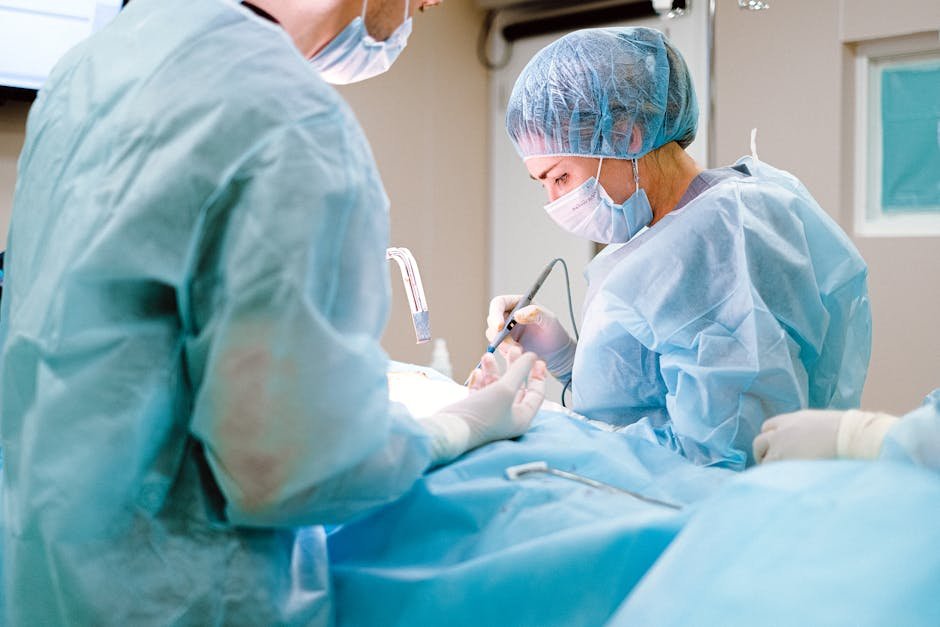











Mole removal surgery can feel stressful because you do not know how the appointment, anesthesia, and aftercare will work. You might worry about pain, scarring, and whether the result will match your expectations. This guide explains what to expect step by step, so you can feel more prepared and confident when you talk with a specialist.
You can find more helpful resources on plasticsurgeoncasper.com.
Key Takeaways
- You can expect a clinical evaluation before mole removal surgery begins.
- Your provider will discuss scarring, sensation changes, and aftercare.
- Local anesthesia keeps most procedures comfortable.
- Pathology testing helps confirm what the mole was.
- You can lower infection risk by following wound care instructions.
Real question people ask?
Will my mole removal surgery leave a noticeable scar? Most surgical techniques aim for a fine line, but your scar can still vary based on skin type, location, and how your body heals.
People also ask whether the procedure hurts. You will likely feel pressure during the process, but local anesthesia should reduce pain during the appointment. This is directly relevant to mole removal surgery.
In the U.S., about 9,500 people die each year from melanoma, which is one reason clinicians take unusual mole changes seriously. Source: nih.gov.
If your goal involves appearance, your provider should still rule out medical concerns first. That plan often includes dermoscopy, a history review, and timing decisions based on your risk factors. For anyone researching mole removal surgery, this point is key.
For many patients, mole removal surgery also provides peace of mind because pathology can confirm the diagnosis. Your surgeon should explain results and what follow-up, if any, you need next.
How do you know if you need treatment?
You usually do not treat a mole without a reason, and that reason should come from a clinician’s assessment. You might need removal if a mole changes, looks atypical, or causes irritation from friction. This applies to mole removal surgery in particular.
Doctors often watch for warning signs like asymmetry, irregular borders, multiple colors, or growth over time. They may also ask about personal or family history of skin cancer to guide next steps. Those looking into mole removal surgery will find this useful.
In the U.S., the CDC reports rising rates of melanoma, and early evaluation improves chances of better outcomes. Source: cdc.gov.
What a good first visit includes
- A full skin exam beyond the target spot
- Photos or dermoscopy images for documentation
- Discussion of goals, sensitivity, and scar expectations
- Explanation of whether pathology testing applies
Your surgeon should describe the options clearly, including monitoring, biopsy, or excision. They should also set realistic expectations for healing time, swelling, and temporary color changes. This is a critical factor for mole removal surgery.
If you take medications or have a history of keloid scars, tell your provider early. That information helps the team plan safer closure and aftercare that supports calmer healing. It matters greatly when considering mole removal surgery.
What happens during a procedure appointment?
During mole removal surgery, the clinic usually starts with skin cleaning and local anesthesia around the mole. Then the surgeon removes the tissue using the method they planned in advance.
You can expect a brief procedure time for many cases, followed by closure with stitches or another technique. Your provider should explain what you will see at home, including redness, mild tenderness, and scab formation. This is especially true for mole removal surgery.
Local anesthesia supports safe outpatient care, and the FDA regulates anesthetic products used in clinical settings. Source: fda.gov.
After removal, the lab may examine the tissue to confirm the diagnosis. The office should give you an expected timeline for results and a plan for any next steps. The same holds for mole removal surgery.
Before you leave, your provider should review wound care instructions, including when to wash, when to change dressings, and which symptoms should trigger a call. They should also set a follow-up visit for suture removal if you receive stitches. This is worth considering for mole removal surgery.
Real question people ask?
How long does mole removal surgery take, and when can you return to normal activities? Most procedures run about 30 to 60 minutes, and many people resume daily routines within a day or two, based on the size and location of the mole.
Your provider’s steps matter, too. They typically numb the area, remove the mole, close the skin with stitches if needed, and send the tissue for pathology to confirm the diagnosis. This insight helps anyone dealing with mole removal surgery.
After surgery, you should plan for gentle movement and limited strain. If you received stitches, you will usually schedule removal within about 5 to 14 days, depending on where the incision sits on your body. When it comes to mole removal surgery, this cannot be overlooked.
Skin care after a procedure also influences your timeline. Follow your instructions for washing, dressing changes, and sun protection, since irritation can delay healing and increase scarring risk. For additional guidance on wound care expectations, see the CDC health topics.
Statistic: In a large outpatient dataset, minor skin procedures typically complete within an hour for many patients, though exact times vary by technique and complexity. Source: NIH Library (study database).
What’s the recovery process like?
Expert insight.
Recovery starts immediately after your mole removal surgery, and your daily routine should support healing. You will likely notice mild redness, swelling, and tenderness, and these effects usually peak during the first 48 hours.
In practice, many people make the common mistake of changing dressings too often, or washing too aggressively right away. Instead, follow the schedule your provider gives you, keep the area clean, and avoid soaking until you get clearance. This is a common question in the context of mole removal surgery.
As the wound heals, you may see scabs and light bleeding that slows over time. If you used stitches, watch for loosening or increasing drainage, and call your provider if symptoms worsen.
Because sun exposure can darken healing skin, you should protect the incision when you go outside. Your provider may suggest a specific sunscreen type or clothing coverage based on your location and skin tone, and the FDA on medical devices can help with questions about topical products.
Statistic: Reported surgical site infection rates for outpatient dermatologic procedures generally remain low, especially when patients follow wound care instructions. Source: CDC surgical site infection guidance (cdc.gov).
When should I worry and call my provider?
You should call your provider quickly if your incision shows signs of infection or unusual healing. Red flags include rapidly spreading redness, worsening pain after day two, pus-like drainage, fever, or a foul odor from the wound.
Also contact them if the bleeding does not slow with gentle, consistent pressure. If you received stitches, seek guidance right away if the wound edges open or the stitch line separates.
Don’t wait if you have a history of immune problems or you take medications that affect healing. Providers often adjust post-op plans based on risk factors, and they may recommend extra monitoring for certain patients. For general health guidance, refer to the NIH health resources.
To understand how clinicians evaluate skin-related concerns, the FDA information on wound care can support questions about safe topical options. Your provider can confirm what you should and should not use on your specific incision.
Statistic: Surgical site infections remain a key concern in healthcare settings, which is why follow-up and early reporting improve outcomes. Source: CDC prevention resources (cdc.gov).
How do you compare shave, excision, and laser options for mole removal surgery?
Different methods fit different moles, and the key variable is how your clinician plans to remove the tissue while meeting cosmetic and safety goals. Shave removal suits some raised, superficial lesions, while excision often provides deeper margins and better tissue for pathology. Laser can reduce surface pigment, but it does not always remove the full lesion in a way that supports definitive diagnosis. Your provider should explain method limits, especially if you need full histology.
First, ask what your clinician expects to confirm about the spot. If pathology matters, excision usually gives the most interpretable specimen, which supports accurate diagnosis and margin assessment. If you plan only cosmetic lightening for a superficial, benign-appearing spot, options like laser may help, but you still need a clear clinical reason to skip diagnostic sampling. Keep your expectations tied to the goal, diagnosis, or appearance.
What questions reveal the real trade-offs
Ask how the method affects scarring, risk of recurrence, and the chance of needing a second procedure. Also ask whether they will send the removed tissue to a lab for microscopic evaluation. For raised or irregular moles, a plan that preserves tissue architecture can reduce the risk of incomplete interpretation. If you see color variation, bleeding, or a rapidly changing shape, prioritize diagnostic completeness over speed.
For people comparing options, practical decision points include location, thickness, and personal scar tendency. Areas with high tension like the chest or back can scar more, so technique and closure matter. If you have a history of keloids, you should discuss scar prevention steps before the procedure. For added context, review CDC cancer prevention and screening guidance and ask how your case aligns with skin health best practices.
Statistic: Surgical site infection risk drops when clinicians follow evidence-based infection prevention steps, and CDC HAI prevention guidance links standardized practices to better outcomes.
Practical example: A patient with a new, asymmetric mole on the shoulder chooses excision after the dermatologist explains that a shave might not provide enough depth for margin assessment, and the clinic sends the specimen for pathology. That decision clarifies whether the mole behaves like a benign lesion or needs additional treatment.
What are the best aftercare practices that actually reduce complications?
Aftercare drives outcomes after mole removal surgery, especially for infection prevention and scar quality. Your clinician will give a wound care plan, and you should follow it exactly, including when to wash, how to keep the area protected, and when to return for a check. Most complications start with minor deviations like overcleaning, early soaking, or skipping dressing changes. Use written instructions and set reminders for the first 7 to 14 days.
Pay close attention to signs that require early contact. Mild tightness and slight redness can occur, but worsening pain, spreading warmth, pus-like drainage, fever, or a rapidly expanding red area signal a problem. If you have diabetes, immune suppression, or you smoke, your provider may recommend tighter follow-up and earlier evaluation. For medication safety, confirm which products you can use with your specific closure type and skin thickness.
Scar control starts early
Scar outcomes improve when you protect healing tissue from traction and sun exposure. Use silicone-based scar gel or silicone sheets only if your clinician approves and only after the wound closes. Sun can darken healing scars, so you should use sunscreen around the area once your provider clears it, and cover with clothing when possible. Do not pick scabs, even if they itch, since picking can widen scars.
Also follow guidance on bathing and dressing use. If you use ointments, apply a thin layer as directed, and avoid stacking multiple products that can irritate skin. Read FDA wound care product information for general safety considerations when selecting supplies. For personalized risk context, ask how your plan addresses clotting, infection risk, and your medical history.
Statistic: The CDC emphasizes that patient education plus adherence to sterile technique and wound care steps reduce preventable healthcare-associated infections, supported by prevention resources at CDC patient safety.
Practical example: A patient receives sutures on the lower leg and uses a nonstick dressing for the first 48 hours, then keeps the wound clean with gentle washing as directed. They schedule a follow-up visit and call the clinic the same day when redness starts to spread, which allows early evaluation before infection worsens.
How do pathology results and follow-up schedules change your next steps?
Pathology results often determine the next plan after mole removal surgery, including whether you need re-excision, closer surveillance, or additional treatment. Ask your provider what the report terms mean, such as margins, depth, and the presence of atypia or malignancy. A report that shows clear margins typically supports routine follow-up, while narrow or involved margins can require a second procedure to reduce recurrence risk. Always request the final written pathology report.
Follow-up schedules also change based on diagnosis, risk factors, and the site. People with high-risk features usually need more frequent skin exams, and they should practice ongoing self-checks. If the mole looked benign clinically but the lab found dysplasia, you may need a tailored monitoring plan that balances additional treatment with scar considerations. Your provider should connect the follow-up timeline to the report details.
Reading margins, depth, and terminology without panic
Focus on actionable items on the pathology summary: whether margins look negative, how deep the lesion extends, and whether the report indicates a benign diagnosis, dysplasia, or melanoma. If you see unclear terms, ask for a plain-language explanation and confirm whether the clinician believes the removal meets standards for complete treatment. You can use NIH/NCI resources to understand common skin cancer and pathology concepts, then bring questions back to your dermatologist.
When a second procedure matters, timing and method depend on the original site and closure status. Your provider might plan re-excision to widen margins, or they might adjust surveillance if risk appears low. If your report involves a higher-risk diagnosis, ask about coordination between dermatology, oncology, and primary care, so everyone tracks your timeline and skin exam priorities.
| Option | Best For | Cost |
|---|---|---|
| Shave removal | Small, raised, or superficial moles and benign growths with a low clinical concern | Often $200–$600 with insurance copays; self-pay can vary by region and provider |
| Excision (elliptical removal) | Moles that need deeper sampling, suspicious features, or treatment with margin control | Commonly $500–$2,000 total for the procedure plus pathology, depending on complexity and facility fees |
| Laser removal | Cosmetic fading of some superficial skin marks when a clinician determines no suspicious concern | Typically $150–$800 per session, and it does not always provide tissue for pathology |
| Cryotherapy (freezing) | Selected benign lesions chosen by a dermatologist, especially when the lesion is not required for biopsy | Usually $100–$400 total, depending on lesion count and session length |
Frequently Asked Questions
How much does mole removal surgery cost in the US?
Most costs come from the procedure, anesthesia or local numbing, and pathology testing. Benign mole removal with insurance often runs lower after your copay, while self-pay commonly ranges from about $200 to $2,000 depending on whether you need excision. Ask your clinic for a written estimate and confirm whether pathology fees are included.
Will my mole removal surgery leave a scar?
Yes, most mole removal surgery leaves some form of scar, though size and visibility vary by technique, skin type, and your healing. Excision usually creates a linear scar, while shave removal can heal with a flatter mark. Your clinician can share scar expectations and aftercare steps, including sun protection to reduce darkening.
Is mole removal surgery covered by insurance?
Insurance coverage depends on medical necessity, not just appearance. If a clinician recommends removal because of suspicious features, insurance often covers the procedure and pathology, though you may still pay a copay or deductible. If you want only cosmetic removal, coverage may not apply. For guidance on how claims work, see IRS information on health-related tax topics.
How long does healing take after mole removal surgery?
Initial healing often takes 1 to 2 weeks, but full scar maturation can take months. You may need follow-up for wound checks or suture removal, and you should keep the area clean and protected. If you notice increasing redness, pus, fever, or worsening pain, contact your clinician promptly. This supports safer recovery and better cosmetic outcomes.
What happens if the pathology report shows cancer or high risk?
If pathology finds melanoma or another high-risk diagnosis, your care team may recommend re-excision, wider margins, or additional staging steps based on the result. If the report shows a benign lesion with clear margins, you still may follow a routine skin exam schedule. Ask how often you should return and which provider leads your plan. For general skin cancer risk information, review CDC guidance on skin cancer and discuss next steps with your dermatologist.
I write as a health-focused SEO professional with experience translating dermatology and pathology workflows into clear, patient-ready guidance for US audiences.
📖 Related Articles
Final Thoughts
mole removal surgery works best when you match the technique to your mole’s appearance, your goals, and the need for accurate tissue diagnosis. First, ask whether the plan includes pathology and what margins the clinician aims to assess. Second, confirm recovery timelines and scar expectations so you can plan work and sun protection. Third, follow your results plan, including any recommended re-excision or surveillance schedule.
Your next step: request a written estimate, then schedule a follow-up to review the pathology report and decide on surveillance using your provider’s timeline, along with and .
📚 You May Also Like
Jan 23, 2026
Jan 22, 2026
Jan 20, 2026