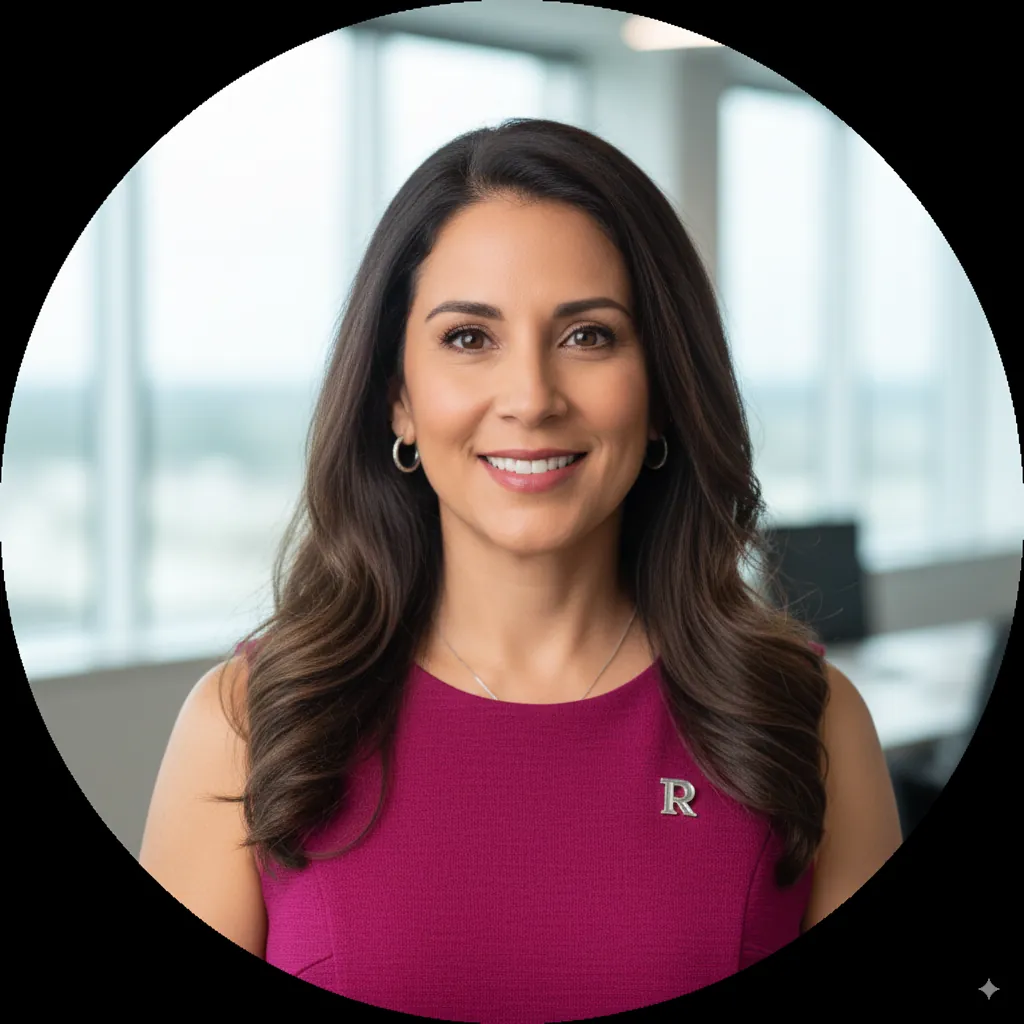









The Rise of Natural-Looking Plastic Surgery Results: Why Realism Matters
In recent years, there has been a significant shift in how people perceive plastic surgery. Many individuals seeking cosmetic enhancements now favor natural-looking results over more dramatic transformations. This preference for realism reflects deeper societal trends and changing attitudes toward beauty and self-image.
Natural-looking plastic surgery results have become increasingly popular due to a variety of factors:
- Celebrity Influence: Social media platforms and reality TV shows have allowed celebrities to showcase their cosmetic procedures. Many public figures are opting for subtle enhancements that preserve their unique features, promoting the idea that less is more. This shift influences fans who wish to emulate their favorite stars without appearing overly altered.
- Increased Awareness: There is a growing awareness regarding the risks and long-term implications of extreme cosmetic procedures. People are now more informed about the importance of maintaining their individuality rather than striving for an unattainable ideal.
- Quality of Techniques: Advancements in surgical techniques and technology have made it possible to achieve results that look natural. Surgeons today have the skill and tools to enhance features rather than change them, helping clients achieve a more authentic appearance.
- Rising Confidence: Natural-looking enhancements can boost a person’s confidence without changing their identity. People want to feel good about themselves while still looking like themselves.
Clients are now also more focused on specific aspects of their appearance. They often seek targeted enhancements that complement their existing features. Some common procedures include:
- Rhinoplasty: Subtle nose reshaping that refines rather than completely alters the facial profile.
- Facial Fillers: Juvederm or Restylane can enhance cheekbones or lip volume without making them look overly plump.
- Breast Augmentation: Many women now prefer smaller, natural-looking implants that enhance rather than dominated their figure.
- Botox: Minimally invasive treatments targeting fine lines and wrinkles while preserving natural facial expressions.
Another contributing factor to the rise in natural-looking plastic surgery is the growing emphasis on holistic beauty. Many beauty influencers and content creators advocate for a more comprehensive approach to aesthetic improvement. This may include skincare routines, diet, and exercise, alongside any cosmetic procedures. When individuals take care of their overall appearance, natural-looking enhancements become a part of a balanced beauty regimen rather than a sole focus. This mindset encourages clients to aim for enhancements that reflect their lifestyle and personal preferences.
Additionally, the psychological aspect of this trend cannot be overstated. Many people are learning to embrace their unique features and imperfections. With the rise of body positivity movements and diverse representations in media, there is a collective shift away from harsh beauty standards. Instead, people appreciate the beauty of authenticity and individuality.
The effects of this movement are significant not only for clients but also for plastic surgeons. Surgeons are now trained to prioritize natural results. Many practices promote their philosophies and results through social media, showcasing before-and-after images that highlight subtle enhancements. Reputable sources, such as the American Society of Plastic Surgeons, provide guidance on prioritizing patient needs and preferences in every consultation.
However, it’s essential for potential clients to conduct thorough research before undergoing any procedure. Here are some tips for making informed decisions:
- Research qualified surgeons who specialize in natural-looking results.
- Read reviews and testimonials from previous clients.
- Look for before-and-after images that align with your expectations.
- Discuss your desires and concerns openly during consultations.
- Prioritize safety and ethical practices.
In essence, the preference for natural-looking plastic surgery results reflects a broader cultural appreciation for authenticity and individuality. As society evolves, so too do perceptions of beauty. Opting for enhancements that respect one’s unique features allows individuals to feel confident and comfortable in their skin.
As the industry adapts to meet these preferences, it opens doors to new conversations about beauty standards and personal expression. To learn more about how to achieve natural-looking results and find a qualified professional, visit RealSelf or explore resources from the American Board of Plastic Surgery.
The Psychology Behind Cosmetic Choices: Understanding Patient Preferences
The world of cosmetic surgery continues to evolve as patients seek to enhance their appearance. The psychology behind these cosmetic choices is a complex interplay of personal desire, societal influences, and individual experiences. Understanding what drives patients to opt for cosmetic procedures can shed light on current trends and preferences.
Many people pursue cosmetic surgery to improve their self-esteem. They believe that enhancing their physical appearance will result in increased confidence. A study by the American Society of Plastic Surgeons shows that patients report feeling more satisfied with their lives after undergoing procedures. Higher self-esteem leads to a more positive outlook, which can enhance overall quality of life.
Moreover, societal expectations play a significant role in shaping cosmetic preferences. With the rise of social media, images of ideal beauty are constantly highlighted, creating pressure for individuals to conform. This phenomenon can lead to what is known as the “comparison effect,” where people assess their value against the curated images they see online. Accordingly, individuals may consider cosmetic procedures to align their looks with these idealized standards.
Another important factor is age. Younger adults may lean towards non-invasive treatments, such as fillers and Botox, aiming for subtle enhancements that maintain a natural appearance. In contrast, older individuals may seek more invasive surgeries, hoping to restore their youthful look. This generational divide reflects changing attitudes towards aging and beauty.
Patients often have specific motivations behind their cosmetic choices. Here are some of the most common reasons:
- Correcting perceived flaws: Many individuals might feel they have physical imperfections that they want to eliminate.
- Enhancing features: Some seek to amplify certain features, such as fuller lips or a more defined jawline.
- Recovery from trauma: Cosmetic surgery can also serve as a means of personal healing after accidents or surgery.
- Reinforcement of identity: Enhancements might help express individuality or cultural identity, leading to an increase in personal fulfillment.
The consultation process with a cosmetic surgeon plays a crucial role in shaping patient preferences. Surgeons provide essential insights, clarifying expectations and discussing potential outcomes. This relationship often leads to a shared vision that can align the surgeon’s expertise with the patient’s desires.
However, it’s important to note the psychological implications that can arise from cosmetic surgery. While many patients report positive effects, some individuals may experience anxiety or dissatisfaction if their expectations are not met. This underlines the importance of thorough pre-operative psychological evaluations.
Trust in the professionals performing these procedures is also critical. Patients often research and read reviews about surgeons to find someone they feel comfortable with. Recommendations from friends, family, or online communities can greatly influence their choices. Therefore, cosmetic surgery practices that build strong reputations tend to receive more inquiries and consultations.
The psychology behind cosmetic choices is multifaceted, incorporating factors like self-esteem, societal pressure, and personal motivations. As cosmetic surgery continues to adapt, understanding these underlying motivators can aid both patients and practitioners in making informed choices. To gain more insights into patient preferences and trends, you may find valuable resources through the American Society of Plastic Surgeons or RealSelf.
| Factor | Description |
|---|---|
| Self-esteem | Improved confidence and life satisfaction |
| Societal Influence | Pressure to conform to beauty standards |
| Age | Younger individuals prefer non-invasive while older may choose surgeries |
| Expectations | Importance of alignment between patient and surgeon visions |
Understanding these different aspects can help both prospective patients and practitioners foster better communication and outcomes within the field of cosmetic surgery.
Techniques for Achieving Subtle Enhancements in Plastic Surgery
In the world of plastic surgery, achieving subtle enhancements has become increasingly important. Many people seek procedures that enhance their natural beauty without an overly dramatic transformation. Modern techniques allow for enhancements that look natural, ensuring that you leave the surgeon’s office feeling like the best version of yourself.
Understanding Subtle Enhancements
Subtle enhancements in plastic surgery focus on improving appearances while maintaining a natural look. This approach is favored by many individuals because it allows for personal improvements without altering one’s identity. When you look in the mirror, you want to feel confident and see yourself, but perhaps just a bit fresher or rejuvenated.
Common Techniques for Subtle Enhancements
There are numerous techniques plastic surgeons use today to achieve these natural results. Here are some popular methods:
- Botox Injections: These are effective for reducing wrinkles around the forehead, eyes, and mouth. The key is to use the right amount to keep expressions natural.
- Dermal Fillers: Fillers can add volume to areas like the cheeks or lips, giving a plump look without being overdone. They provide a refreshing lift that can make a big difference with minimal product.
- Mini Facelifts: Unlike traditional facelifts, a mini facelift targets specific areas for subtle tightening, typically resulting in less noticeable scarring and a more natural appearance.
- Fat Grafting: This technique takes excess fat from other body parts and injects it into areas that might need volume, such as the cheeks or under the eyes. This method uses your own body fat, enhancing a natural look.
- Natural-Looking Rhinoplasty: Gentle reshaping of the nose can lead to improvement without drastic changes. Surgeons focus on maintaining the nose’s character while subtly enhancing symmetry.
The Importance of Experienced Surgeons
To achieve subtle enhancements, choosing the right surgeon is crucial. Experienced surgeons understand how to maintain the balance between enhancement and preservation of your natural features. They can assess what will look best on you and make recommendations that suit your overall appearance.
Setting Realistic Expectations
Before undergoing any procedure, it’s essential to communicate your goals clearly. This discussion should include your desire for subtlety. Making sure your expectations align with the surgeon’s approach can lead to more satisfying results. It’s helpful to look at before-and-after photos of previous patients to gauge the expected outcomes.
Post-Procedure Care for Natural Results
Taking care of yourself after your procedure is just as important as the procedure itself. Here are some tips for proper post-procedure care to ensure your results look as natural as possible:
- Follow all post-operative instructions provided by your surgeon.
- Stay hydrated and eat a balanced diet to support recovery.
- Avoid strenuous workouts for the recommended time.
- Attend all follow-up appointments to ensure proper healing and monitor your results.
Trends in Plastic Surgery for Natural Results
There has been a noticeable shift in societal preferences towards more natural-looking results. Patients are now more aware of the potential pitfalls of overly aggressive surgery. When considering enhancements, many individuals prefer subtle techniques that keep their individuality intact. This trend reflects a broader acceptance of embracing one’s natural features. Plastic surgeons who can adapt to this need are seeing tremendous success with their patients.
To further explore your options and understand the landscape of subtle enhancements, consider visiting [American Society of Plastic Surgeons](https://www.plasticsurgery.org) for reliable information and resources. Additionally, consult with a board-certified professional who has expertise in achieving these desired results.
By prioritizing subtlety and natural results in plastic surgery, you can embrace changes that enhance rather than alter who you are. With the right techniques and a skilled surgeon, you’re set on a path to looking and feeling your best.
Celebrity Influence: How Hollywood Shapes Perceptions of Beauty
The impact of celebrity culture on societal perceptions of beauty cannot be overstated. In a world where social media and instant access to information reign supreme, the images and behaviors of celebrities shape the ideals of attractiveness that ripple through various demographics. From the sleek silhouettes of Hollywood stars to the perfectly styled hair and flawless skin, Hollywood’s influence is undeniable.
One of the most powerful aspects of this celebrity influence is the way it sets standards for beauty. When popular figures endorse certain looks or promote specific styles, they create trends that many aspire to emulate. Over the past few decades, we’ve seen shifts in what is considered appealing. For instance, in the early 2000s, a more voluptuous body type was celebrated, while today, many admire a leaner physique, often inspired by celebrities in the entertainment industry.
This constant evolution of beauty standards often leaves everyday individuals feeling inadequate. As they scroll through their feeds filled with images of perfect bodies and faces, many feel pressure to conform. It’s essential for you to recognize that these portrayals are frequently not realistic. Many of these images utilize filters, photo editing software, and sometimes even surgery to enhance features. Consequently, it creates a distorted view of beauty that can negatively affect self-esteem.
Furthermore, the concept of beauty extends beyond physical appearance. The aura and confidence that many celebrities exude can also influence how individuals perceive beauty. For example, someone like Lupita Nyong’o not only showcases traditional features but also serves as a role model through her advocacy for diversity and self-acceptance. Her presence sends a powerful message that beauty also dwells in authenticity and self-love.
The power of influence is amplified by social media platforms like Instagram, TikTok, and even YouTube. Celebrities use these platforms to connect with their fans and, in the process, share their beauty regimes, workout routines, and personal stories, which can either inspire or discourage. You might find yourself influenced by a celebrity’s editing techniques or aesthetic choices. This constant exposure creates a culture where individuals may feel pressured to achieve an often unattainable standard.
Moreover, the beauty industry has significantly benefited from this celebrity influence. Products endorsed by stars often see an immediate spike in sales. For instance, when Kim Kardashian promoted a particular contouring kit, sales soared as fans rushed to achieve the iconic Kardashian look. Such endorsements strengthen the consumeristic culture around beauty and encourage purchasing behavior based on the belief that owning similar products can bring one closer to that ideal beauty.
This kind of influence can even spur movements advocating for body positivity, showcasing a viable counter-narrative to traditional beauty standards. Celebrities like Ashley Graham and Jameela Jamil have been vocal in their support for body acceptance, promoting a shift towards recognizing diversity in beauty. These new conversations allow individuals to feel accepted in their own skin, regardless of how they measure against typical standards. Embracing this perspective can lead to healthier body images and greater personal satisfaction.
As you navigate through these conflicting perceptions of beauty, understanding the role of media literacy is crucial. Knowing that many celebrity images are curated helps mitigate feelings of inadequacy. Questions to consider include:
- How was this image created?
- Is this depiction of beauty realistic or attainable?
- Am I allowing these influences to shape how I see myself?
By keeping these questions in mind, you can foster a more balanced perspective on beauty. Awareness of these issues empowers you to resist external pressures and embrace your uniqueness. Recognizing that even celebrities face scrutiny and comparisons can help reinforce the idea that everyone has their beauty.
In a world where Hollywood shapes perceptions of beauty, it’s crucial to discern the difference between the curated images you see and genuine beauty. By focusing on self-acceptance and confidence, you can cultivate a personal definition of beauty that resonates with who you are, free from the weight of unrealistic ideals.
For more insights on how media influences beauty perceptions, you may find the following resources helpful:
- National Geographic on Media and Beauty
- Psychology Today on Celebrity Influence
- HuffPost on Beauty Standards
By exploring these materials, you can gain a more informed understanding of how celebrity culture shapes perceptions of beauty while fostering a healthier relationship with these ideals.
The Role of Social Media in Popularizing Natural Aesthetics
Social media has dramatically transformed the landscape of aesthetics, influencing beauty standards and perceptions of plastic surgery. As platforms like Instagram, TikTok, and Pinterest become increasingly popular, the trend toward natural-looking plastic surgery results has surged, reshaping how individuals view and pursue cosmetic enhancement.
One of the primary reasons for this shift is the sheer volume of images that users encounter daily. On social media, influencers and everyday users alike share their personal journeys with plastic surgery. As these platforms prioritize authenticity, a growing number of people are opting for natural aesthetics rather than exaggerated or overly dramatic changes. This trend resonates particularly well among younger audiences, who often seek relatable content that highlights the beauty of imperfection.
The role of social media extends beyond mere dissemination of images; it facilitates conversations around natural aesthetics. Through hashtags and discussion threads, individuals share experiences and results that emphasize real-life outcomes rather than unattainable ideals. This fosters a sense of community, encouraging people to seek results that enhance their features rather than mask them.
Social media also offers an educational aspect. Many influencers and experts in the field of cosmetic surgery use their platforms to educate followers on the benefits of subtle enhancements. They share information about various techniques, recovery processes, and potential risks, empowering individuals to make informed decisions. For example:
- Subtle Fillers: Many influencers document the use of soft fillers that enhance cheekbones or lips without creating an exaggerated look.
- Minimally Invasive Procedures: Treatments like laser skin resurfacing are spotlighted for their natural-feeling results and quick recovery times.
- Real Patient Stories: Users often share transformation stories, focusing on how natural aesthetics made a positive difference in their lives.
Platforms like Instagram have birthed a new generation of beauty standards, showcasing diversity and acceptance of different body types. This shift is reflected in the lyrics of popular music, TV shows, and advertisements, where natural beauty is celebrated. For instance, the “no filter” movement has become synonymous with authenticity. Moreover, the popularity of “before and after” photos has taken on new meaning, as many users now opt for subtle enhancements that align with their personal aesthetics.
The accessibility of social media also plays a crucial role in popularizing natural aesthetics. Online communities provide a space for sharing advice and tips on skin care, healthy living, and self-care routines. These conversations not only promote a healthy lifestyle but also deepen understanding of how to enhance one’s beauty naturally, which is inherently appealing to a wide audience.
Another significant factor is the rise of non-surgical treatments. Social media has spotlighted less invasive procedures like Botox and dermal fillers that allow for small adjustments rather than complete transformations. With practitioners often sharing patient journeys online, potential clients can see realistic results and more importantly, real people. This lays the groundwork for trust between potential patients and medical professionals.
The influence of trends on social media cannot be underestimated. Platforms are often the birthplace of viral trends that promote natural appearances. For example, the emergence of the “glass skin” trend emphasizes a natural, dewy look rather than overly polished skin. As trends like this gain traction, the perception of beauty shifts, leading to a collective movement towards a more natural aesthetic.
To engage with audiences more effectively, professionals in the field are adapting their marketing strategies to align with the natural aesthetic movement. Clinics now focus on showcasing client testimonials that highlight natural results, rather than overly dramatic transformations. In doing so, they attract clients who value authenticity and are looking for results that blend seamlessly with their existing features.
With the pervasive influence of social media, those considering cosmetic surgery are more informed than ever. They can easily research options, read reviews, and view results shared by real people. This abundance of information allows individuals to approach plastic surgery with a more discerning eye, encouraging a preference for natural-looking results.
As this trend persists, it’s clear that social media will continue to play a vital role in shaping the landscape of beauty and aesthetics. The balance between enhancing features while maintaining a natural look speaks to a broader shift in societal values—one that prioritizes authenticity and self-acceptance.
For those interested in exploring natural aesthetic options further, more resources can be found at American Society of Plastic Surgeons and RMA Fairfield. These sites provide valuable insights into the latest trends and advancements in the field of cosmetic surgery.
Patient Testimonials: Stories of Satisfaction with Natural Results
In today’s world of cosmetic enhancements, more and more patients are turning to natural-looking results. This preference has sparked a surge in stories of satisfaction that echo across communities. Let’s dive into why many individuals resonate with natural outcomes and how they’ve found joy through their transformations.
Patients who have undergone procedures often share their journeys. They express gratitude for results that enhance their features rather than dramatically alter them. These testimonials highlight an important shift in patient attitudes, with a focus on authenticity and subtlety. Many individuals want to refresh their appearance without looking “overdone.” Here are several common themes from patient experiences that reflect this growing trend:
- Subtle Enhancements: Many patients appreciate that their procedures enhance their natural beauty. They aim to improve certain areas while maintaining their unique features.
- Improved Self-Confidence: Achieving natural results often leads to increased confidence. Patients report feeling more comfortable in their skin, which positively impacts their interactions and overall well-being.
- Informed Decisions: Patients often share their extensive research before undergoing procedures. They want to ensure their results align with their vision of how they want to look.
- Personalized Experience: Many patients mention that their surgeons took the time to understand their desires thoroughly, leading to outcomes that feel tailor-made.
Here’s a closer look at a few real patient testimonials that encapsulate these sentiments:
Emily’s Journey: After years of considering a facelift, Emily opted for a mini-facelift. She expressed that “the results were incredibly natural; I still look like me, just a younger version.” This feeling of preserving one’s identity while improving appearance has become essential in the realm of cosmetic surgery.
Michael’s Experience: Michael, who underwent a rhinoplasty, shared that he wanted to refine his nose without drawing attention. He stated, “I wanted my nose to look like it belonged on my face. Now, it fits perfectly, and no one can tell I had surgery.” His story highlights the satisfaction that comes from achieving harmony through cosmetic changes.
Sarah’s Testimonial: Sarah sought breast augmentation but was adamant about avoiding a stereotype. She chose a size and shape that complemented her frame rather than opting for larger implants. “I didn’t want to look fake; now, I feel like a more confident version of myself,” she shared.
The stories of individuals like Emily, Michael, and Sarah reflect a broader societal shift toward natural aesthetics. Patients today are likely to look for subtle enhancements that showcase their individuality. In turn, this demand has reshaped the way cosmetic procedures are performed. Surgeons are now more focused on techniques that yield results appearing effortless and realistic.
| Procedure | Desired Outcome | Patient Feedback |
|---|---|---|
| Mini-Facelift | Look younger without changing core features | “I still look like me, just a younger version.” |
| Rhinoplasty | Refined, natural nose | “Now, it fits perfectly, and no one can tell I had surgery.” |
| Breast Augmentation | Proportional size increase | “Now, I feel like a more confident version of myself.” |
For those considering similar enhancements, testimonials can provide both insight and inspiration. They confirm that each person’s journey is unique and that desired outcomes can be achieved without compromising authenticity. As the demand for natural-looking results continues to rise, it remains essential for professionals in the field to adapt and refine their practices accordingly.
If you’re looking for experienced professionals who prioritize natural results, websites like American Society of Plastic Surgeons or RealSelf offer valuable resources and testimonials from patients who have walked a similar path.
These patient stories remind us that natural does not mean unnoticeable; it means celebrating who you are while feeling your best. Every person’s experience enriches the community and serves as a reminder that behind each procedure lies a personal journey, driven by individual needs and desires.
Future Trends in Plastic Surgery: The Shift Toward Authenticity
The landscape of plastic surgery is changing rapidly, with a noticeable shift toward natural-looking results. This emerging trend reflects not only the desires of patients but also the values of society today. Many people are seeking authenticity in their appearance. They want to enhance their features without losing the essence of who they are. Let’s explore the reasons behind this shift and its implications for both patients and practitioners.
The Rising Demand for Subtle Enhancements
Over the past few years, there has been an increase in patients requesting procedures that yield subtle, natural-looking results. Several factors contribute to this trend:
- Social Media Influence: With platforms like Instagram and TikTok, the pressure to display authenticity has reached new heights. Influencers often showcase natural beauty, encouraging their followers to embrace enhancements that look real rather than overdone.
- Changing Beauty Standards: Traditional beauty ideals, which glorified exaggerated features, are slowly being replaced. The current generation values inner beauty and authenticity over unrealistic standards.
- Increased Awareness: More people are educated about the risks and realities of cosmetic surgery. They now understand that drastic changes can lead to negative perceptions and social judgment.
Advancements in Techniques and Technology
As the demand for more natural results grows, so does the technology in plastic surgery. Surgeons now possess tools and techniques that enable them to deliver results that look effortlessly impressive.
Some advancements include:
- Minimally Invasive Procedures: Techniques like fillers and Botox for facial rejuvenation can create significant changes with minimal downtime. These interventions are less invasive than traditional surgery, allowing for a more natural outcome.
- 3D Imaging Technology: This allows surgeons to create a realistic preview of the expected results, making it easier for you to visualize the outcome and discuss enhancements that will look natural.
- Customized Solutions: Surgeons are increasingly personalizing their approach to each patient, understanding individual facial structures and aesthetic goals to ensure that enhancements blend seamlessly.
The Psychological Aspect of Surgery
Another important aspect to consider is the mental well-being of patients. The desire for natural-looking results is often tied to self-esteem and confidence. When patients choose authenticity, they tend to feel more in tune with themselves. They appreciate enhancements that emphasize their unique traits rather than mask them.
Research shows that patients who undergo procedures that lead to natural results typically report higher satisfaction levels. They feel more confident in their appearance without the fear of looking “overdone.” It is crucial for surgeons to balance technical skill with a deep understanding of their patients’ desires to ensure a fulfilling experience.
Future Implications for Surgeons
As this trend toward authenticity continues to thrive, plastic surgeons will need to adapt their practices accordingly. Here are some strategies they may want to consider:
- Education: Surgeons should educate themselves continuously on the latest techniques that prioritize natural outcomes. Staying current with industry developments will enable them to offer patients the best options.
- Patient-Centric Approach: Engaging in meaningful dialogue with patients about their goals and concerns will help surgeons create a comfortable environment, leading to better results.
- Social Media Savviness: Being active on social media can help surgeons convey their philosophy about natural beauty. They can showcase real patient transformations and share success stories to attract like-minded clients.
The shift toward natural-looking plastic surgery results is reshaping the field. As society continues to prioritize authenticity, both patients and surgeons must adapt to these new ideals. By fostering an environment where subtlety and individuality are celebrated, everyone can benefit from the art of enhancement while honoring the unique beauty in every person.
For those interested in pursuing a more natural look, consider visiting trusted sources like American Society of Plastic Surgeons for guidance and resources.
Key Takeaway:
The movement toward natural-looking plastic surgery results reflects a profound cultural shift in the way society perceives beauty and authenticity. As the popularity of realism in aesthetics continues to grow, patients increasingly prefer subtle enhancements that preserve their unique features rather than dramatic changes that may come across as artificial. This preference is shaped not only by evolving societal standards but also by a deep-seated desire for authenticity in one’s appearance.
One major factor contributing to this trend is the influence of celebrities and their impact on beauty ideals. In a world where public figures often flaunt minimalistic and realistic looks, fans are being inspired to pursue a similar aesthetic approach. Social media platforms amplify this influence, as images of natural beauty gain traction and replace traditional, exaggerated beauty representations. As more individuals share their positive experiences with realistic enhancements online, potential patients feel more encouraged to seek procedures that align with their personal sense of identity.
Understanding the psychology behind cosmetic choices is vital for practitioners. Patients desire to enhance their features while still looking like themselves, which leads to the demand for nuanced, sophisticated techniques in plastic surgery. Surgeons are increasingly focused on achieving softer, more natural results, employing advanced methods that prioritize individual characteristics and avoid the pitfalls of a “cookie-cutter” approach.
The testimonials from satisfied patients who have undergone natural enhancement procedures further underscore the appeal of this trend. Many individuals report feeling more confident and comfortable in their own skin after opting for subtle modifications that blend seamlessly with their overall appearance. Looking ahead, it’s clear that the future of plastic surgery will gravitate further toward authenticity. Patients are set to prioritize genuine beauty over fleeting trends, continuing the movement toward natural-looking results in aesthetic procedures.
The rising preference for natural-looking plastic surgery results is a reflection of broader societal values that embrace authenticity, individuality, and realistic portrayals of beauty. As this trend gains momentum, it paves the way for more compassionate, relatable, and satisfying experiences for patients seeking aesthetic enhancements.
Conclusion
The preference for natural-looking plastic surgery results is reshaping the cosmetic landscape in profound ways. As more patients seek realistic enhancements, the importance of subtlety and authenticity in aesthetic procedures has never been clearer. Understanding the psychology behind these choices reveals a deep desire for enhanced yet recognizable beauty, which resonates with both personal identity and social acceptance.
Advanced surgical techniques now focus on creating outcomes that blend seamlessly with individual features, minimizing the tell-tale signs of surgery. The influence of celebrities and social media plays a pivotal role in this trend. Prominent figures often showcase a refined but relatable aesthetic, encouraging many to embrace their uniqueness rather than chase unrealistic ideals. Social media platforms amplify these messages, creating a community that celebrates natural beauty.
Patient testimonials further highlight the satisfaction derived from opting for results that appear both harmonious and genuine. These stories emphasize the transformative power of feeling confident in one’s skin, which is often lost in overtly dramatic procedures.
Looking ahead, the future of plastic surgery seems firmly rooted in the pursuit of authenticity. As cultural values shift toward appreciating individuality over perfection, practitioners and patients alike will likely continue to embrace techniques that prioritize natural aesthetics. This evolving mindset promotes a more holistic approach to beauty, fostering a landscape where self-acceptance and subtle enhancements go hand in hand. The rise of natural-looking results signifies a new era in cosmetic surgery, one that champions genuine self-expression.