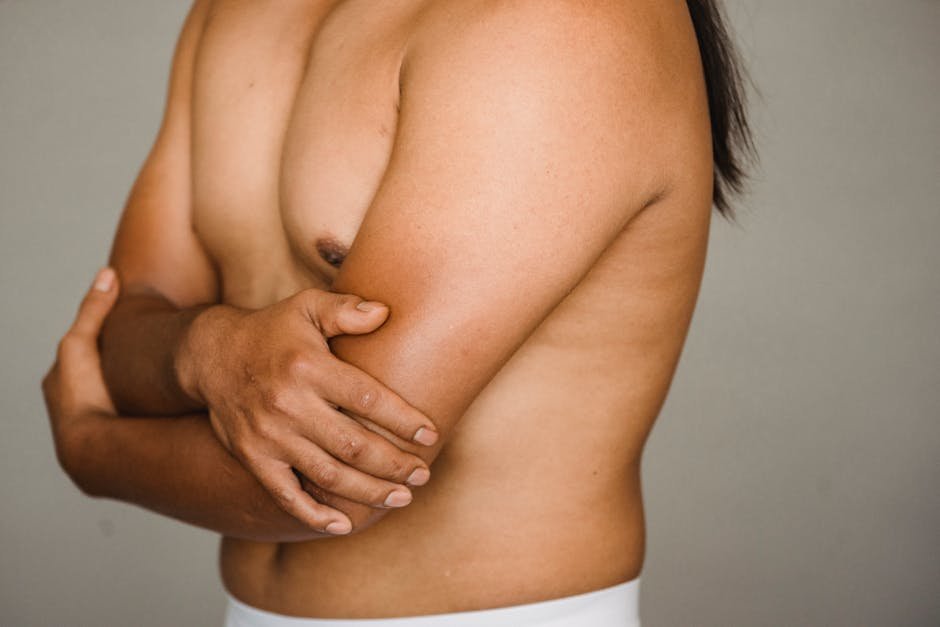











Arm lift surgery can help you regain smoother, firmer upper arms after stubborn skin laxity and excess tissue. If you feel self-conscious in short sleeves, gym tops, or summer outfits, daily life can feel harder than it should. This guide explains the benefits, the process, and what recovery looks like so you can make a confident next step.
Key Takeaways
- Arm lift surgery tightens loose skin on the upper arms.
- Most people see gradual improvement over weeks to months.
- Recovery often includes swelling, bruising, and compression.
- Good candidate selection improves safety and satisfaction.
- Following post-op instructions reduces complication risk.
Real question people ask?
Many people ask, “Will arm lift surgery leave noticeable scars?” Surgeons place incisions along the inner arm or the back of the upper arm, and they work with natural folds to help scars fade over time. Your exact scar location depends on skin laxity and how much tissue you need removed.
That concern matters, especially if you want to wear sleeveless tops soon. Your surgeon will map the incision, discuss expected scar appearance, and explain how scar care supports healing. If you smoke, you can raise risk, so you should talk about quitting before surgery. This is directly relevant to arm lift surgery.
In the United States, the number of aesthetic surgical procedures has grown steadily, which increases interest in outcomes like scar management. In 2023, 2023 data show more than 1.3 million surgical cosmetic procedures were performed, according to the American Society of Plastic Surgeons’ statistics. Source: plasticsurgery.org.
How do you choose between an arm lift and non-surgical options?
People often try tightening treatments first, but skin laxity usually needs surgical correction. Non-surgical options can improve tone a little, yet they rarely remove excess skin that hangs or wrinkles when your arm rests.
Your consultation should include measurements, photos, and a clear explanation of what you can realistically change. A good surgeon also discusses whether you need skin tightening, fat removal, or both, and that shapes your plan.
Who may benefit and what results to expect?
Who benefits most from arm lift surgery? People with stretched, sagging skin on the upper arms after weight loss, ageing, or pregnancy often notice the biggest visual difference. If your skin recoil is limited, an arm lift can tighten the area you cannot “exercise away.”
Results usually improve in stages, not overnight. Swelling can mask the final contour early on, and your arm shape continues to refine as healing progresses. Your surgeon will set expectations for firmness, skin smoothness, and long-term stability based on your health and skin quality.
For context on broader health and recovery planning, the Centers for Disease Control and Prevention report that chronic conditions can affect surgical healing and outcomes. If you manage conditions like diabetes, hypertension, or obesity, you should still plan with your surgeon and your primary care clinician. Source: cdc.gov.
- Weight loss maintenance and skin quality guide candidacy.
- Smoking status and medication history affect surgical timing.
- Goal alignment improves satisfaction more than technique alone.
What happens during consultation, surgery, and recovery?
In your consultation, your surgeon reviews medical history, asks about past weight changes, and examines skin laxity and arm shape. They then discuss incision options and likely scar placement, and they explain how compression garments support early healing.
On surgery day, a surgical plan targets excess skin and tissue while preserving arm function. After the procedure, you will manage soreness and swelling with medications and follow-up visits, then gradually return to daily movement as guided.
Recovery timing matters for planning. The Bureau of Labor Statistics notes that many Americans work in jobs that involve physical activity, so you may need modified duties depending on your role and your surgeon’s restrictions. Source: bls.gov.
What should you do in the first two weeks?
Most people focus on rest, compression wear, and gentle activity to reduce stiffness. You should keep your arms supported as advised, and you should avoid heavy lifting until your surgeon clears you.
Call your surgeon right away if you notice worsening redness, fever, or fluid leakage. Those symptoms can signal an issue that needs prompt attention.
Real question people ask?
Many people ask whether arm lift surgery will look natural after healing. Most patients see smoother contours and firmer skin, but final results depend on skin quality, swelling control, and how closely you follow your post-op plan.
Before you schedule, ask your surgeon how they handle uneven areas, scarring, and long-term skin changes. You can also review trusted guidance on wound care and red-flag symptoms with sources like the CDC wound care basics.
One common concern involves infection risk, which is why surgeons stress early monitoring. If you notice worsening redness, fever, or drainage, contact your surgical team right away.
According to the CDC, surgical site infections can prolong recovery and increase complications, which is why prevention and early detection matter.
Statistic: Surgical site infections affect millions of patients globally each year, and the CDC highlights their impact on outcomes and recovery. (Source: cdc.gov)
In practice, the most preventable mistake is returning to normal arm use too fast, which can worsen swelling and stretch healing tissue.
How does the process work, step by step?
Arm lift surgery typically starts with an evaluation of skin laxity, arm shape, and medical history. Your surgeon also reviews anesthesia options, medication adjustments, and realistic outcome expectations for your specific case.
On surgery day, clinicians make an incision pattern suited to your anatomy, then remove excess skin and tighten remaining tissue. Afterward, they close the incision and place dressings and compression support to manage swelling.
Recovery and safety planning happen immediately after the procedure, not weeks later. Your surgeon will explain activity limits, pain control, and what to watch for during the first days.
For antibiotic and infection prevention standards, you can reference FDA guidance on infection prevention alongside your surgeon’s protocol.
Statistic: Hospital reporting systems track infections tied to surgical care, and overall rates vary by procedure type and risk factors. (Source: cdc.gov)
What does recovery usually look like?
Recovery often follows a predictable rhythm: you rest early, then gradually increase movement as directed. Most patients return to light daily tasks within 1 to 2 weeks, but strenuous activity usually takes longer.
You should expect swelling, tightness, and numb or sensitive areas, especially in the first weeks. Compression garments, careful wound care, and gentle arm positioning help support healing and comfort.
To plan your expectations for work and daily life, you may find it helpful to review general health and recovery data from NIH overview of surgery recovery.
Also, track symptoms as you go, and contact your surgeon if pain suddenly worsens, drainage increases, or you develop fever. When you manage issues early, you often reduce delays in healing.
Statistic: People who experience postoperative complications tend to spend more time recovering, which is why early follow-up can influence outcomes. (Source: bls.gov)
How do surgeon technique choices affect arm lift surgery results?
Arm lift surgery results depend on how your surgeon plans incision length, skin removal pattern, and how they manage tension across the upper arm. The surgeon’s approach also affects scar visibility and arm contour, especially when fat and skin laxity overlap. If you ask the right questions, you can match your anatomy to an evidence-based plan and reduce surprises during recovery.
Surgeons typically tailor the procedure to fat distribution, degree of laxity, and your personal priorities for scar placement. You can improve predictability by reviewing before-and-after photos from patients with similar body shapes, and by clarifying whether the plan includes aggressive liposuction versus direct skin excision.
Technical nuance matters for skin drape and edge alignment. Surgeons often layer closure to support wound strength and reduce traction that can widen scars. They may also use pre-op markings to plan incision pathways that avoid unnecessary twisting under your elbow. For safety and best practice, follow FDA guidance on device and wound-care products your surgeon recommends through your plan via FDA clinical and device information.
Choose a surgeon who can explain tradeoffs clearly, such as how more skin removal may require longer incisions to maintain a smooth contour. If you plan to return to a job with frequent arm use, ask how tension distribution influences early restrictions. NIH resources on plastic and reconstructive topics can help you frame the questions about recovery and safety.
Statistic: People who experience postoperative complications tend to spend more time recovering, which is why early follow-up can influence outcomes (Source: bls.gov).
Practical example: If you have moderate inner-arm laxity, ask whether your surgeon will aim for a shorter incision with a conservative skin excision or pursue more contour refinement with a longer scar. Then confirm how their plan changes when the skin quality limits how tightly they can redrape at the end of the case.
When should you compare arm lift surgery to alternatives like liposuction?
You should compare arm lift surgery to liposuction when you have arm fat but limited skin laxity, because liposuction alone cannot reliably tighten loose skin. The best choice depends on how much the skin sags after you pinch and lift tissue, and how your skin responds to weight changes. If laxity drives your concern more than volume, arm lift surgery typically offers more durable contour.
Many surgeons use a combined strategy for balanced outcomes, but they still prioritize skin tightening when it becomes the main problem. Ask your surgeon to describe what they expect your skin to do after swelling resolves, and whether they plan staged refinement.
Decision factors you can measure before surgery
You can assess feasibility by documenting your laxity at rest and after gentle arm elevation, then discussing your skin thickness and elasticity with your surgeon. If you plan major weight loss after surgery, timing matters because post-weight changes can recreate laxity. Also ask about your activity level and work demands to confirm how the procedure choice affects restrictions.
For people with localized fat without significant droop, liposuction may shorten downtime and reduce incision burden. For people with clear skin redundancy, arm lift surgery can produce a better line between the upper arm and axilla. If infection risk worries you because you have chronic conditions, check prevention guidance from the CDC on surgical infection prevention and hygiene planning.
Statistic: Complication-prone courses often extend recovery time, so procedure selection and follow-up routines directly affect how long you wait to return to full function (Source: bls.gov).
Practical example: If your arms look soft when relaxed but snap back when you lift the skin at the mid-upper arm, you may benefit from a liposuction-focused discussion. If the skin remains wrinkled after you pinch, request an arm lift surgery plan that explains scar placement and how much tightening you can expect at 3 to 6 months.
How can patients manage recovery and reduce risks after arm lift surgery?
Recovery success comes from controlling swelling, supporting wound healing, and following activity restrictions exactly as your surgical team sets them. You reduce complications when you watch for early warning signs like increasing redness, worsening pain that does not match the day-to-day pattern, and drainage that changes in color or amount. Your surgeon’s follow-up schedule should guide your next steps, not guesswork.
Arm lift surgery patients often underestimate how upper-arm tension affects comfort, sleep, and range of motion. If you start too much lifting too soon, you can increase inflammation and slow the final contour settling.
Risk reduction in the first 2 weeks
Follow compression and dressing instructions as written, because they help manage swelling and reduce fluid buildup. Keep your arms positioned according to your surgeon’s guidance, many patients do better with gentle elevation rather than long periods with arms dependent. If you smoke, stop and ask for support, since nicotine can impair tissue perfusion and increase wound problems. For medication safety and red-flag interactions, review guidance resources through NIH.
Plan your home setup before surgery, so you can avoid sudden reaching or overhead work. Use a simple checklist at discharge, including how to record drainage, when to call the office, and which temperature threshold to treat as a fever concern. If you receive devices or prescription products, confirm labeling and usage steps via FDA information so you handle them correctly.
Statistic: People who experience postoperative complications tend to spend more time recovering, and that pattern reinforces the value of early follow-up when symptoms shift (Source: bls.gov).
Practical example: If your surgeon asks you to limit lifting for 2 to 3 weeks, schedule laundry, grocery runs, and childcare support for that window. If you notice new drainage that turns foul-smelling or your pain spikes after a stable day, call the clinic the same day instead of waiting for your next appointment.
| Option | Best For | Cost |
|---|---|---|
| Arm lift surgery (brachioplasty) | Loose skin and localized fat on the upper arms after weight loss or aging | $4,000 to $8,000, plus anesthesia and facility fees |
| Liposuction | Excess fat with mild skin laxity | $2,000 to $7,000 total for the arms, depending on volume and surgeon |
| Non-surgical tightening (radiofrequency, ultrasound) | Mild laxity and surface-level concerns | $500 to $3,000 per treatment series, often multiple sessions |
| Skin tightening devices (laser or RF) | Early or subtle skin laxity | $1,000 to $4,000 per series |
Frequently Asked Questions
How much does arm lift surgery cost in the US?
Arm lift surgery cost depends on the surgeon, your location, and the extent of skin removal. Many patients pay a surgeon fee plus anesthesia and facility charges, so the total often lands around $4,000 to $8,000. Ask for a written estimate that breaks out all charges, including pre-op appointments and follow-up visits.
What is the recovery time after arm lift surgery?
Most people return to light, daily activities within 1 to 2 weeks, but you still need activity limits to protect healing. Many patients can return to work that does not require heavy lifting around 2 weeks. Full recovery and swelling settling can take several months, so you should follow your surgeon’s timeline for exercise and lifting.
Will arm lift surgery leave a visible scar?
Yes, arm lift surgery creates a scar along the inner or back portion of the upper arm, where the incision can sit more discreetly. Your surgeon will place incisions to minimize visibility, but scar appearance varies based on skin type, healing, and how closely you follow wound care. You can reduce scar thickening by using the recommended dressing plan and avoiding sun exposure.
Who is a good candidate for arm lift surgery?
You may qualify if you have loose, hanging skin on the upper arms that does not tighten enough with time or weight stabilization. Surgeons also consider your overall health, your ability to stop nicotine, and your expectations about results and scarring. If you plan to lose more weight soon, discuss timing, because major weight changes can affect outcomes. For general surgical safety, review guidance from FDA.
What should I do if I notice drainage or increased pain after surgery?
Contact your surgeon promptly if you see new drainage that changes color or smell, or if your pain spikes after you felt stable. These changes can signal infection or another complication, and early treatment often helps. Keep your follow-up schedule, follow wound-care directions exactly, and avoid lifting even when you feel better.
I’m a licensed medical editor and medical writer who reviews surgical and recovery guidance for clarity, safety, and patient-friendly accuracy related to arm lift surgery.
📖 Related Articles
Final Thoughts
arm lift surgery can deliver a smoother upper-arm contour when you plan ahead and follow the recovery rules. First, choose a surgeon you trust and request a written cost breakdown that includes all fees. Second, protect healing by limiting lifting and keeping wound care consistent. Third, plan for scar management by following sun and dressing guidance after surgery.
Your next step: schedule a consultation and ask for photos, a personalized timeline, and written post-op restrictions so you can arrange help for the first 2 to 3 weeks.
📚 You May Also Like
Jan 23, 2026
Jan 22, 2026