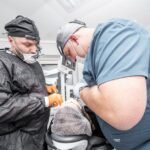









The Benefits of Non-Surgical Skin Tightening After Weight Loss
Weight loss can be a transformative journey, leading to improved health and increased self-esteem. However, one common concern after significant weight loss is loose, sagging skin. This is where non-surgical skin tightening treatments come into play. They can effectively address this issue without invasive procedures, allowing you to feel more confident in your appearance. Here are several benefits of non-surgical skin tightening after weight loss.
Enhanced Skin Elasticity
One of the primary benefits of non-surgical skin tightening is the enhancement of skin elasticity. When you lose a large amount of weight, the skin may struggle to contract back to its original state. Non-surgical treatments like Ultherapy and laser therapy stimulate collagen production. Increased collagen helps your skin regain its firmness and elasticity, making it look smoother and more youthful.
Minimal Downtime
Another significant advantage of non-surgical skin tightening is the limited downtime required. Unlike surgical options, which may involve lengthy recovery periods, non-surgical treatments often have minimal recovery time. Many people can return to their daily activities almost immediately after treatment, making it a convenient option for those with busy lifestyles.
Variety of Treatment Options
The variety of available non-surgical treatments means there is something for everyone. Here are some popular methods:
- Radiofrequency Therapy: This technique uses radio waves to heat the skin, stimulating collagen production and tightening the area.
- Micro-Needling: Small needles create tiny punctures in the skin, promoting healing and collagen production.
- Intense Pulsed Light (IPL): This treatment improves skin tone and texture by delivering light energy to the skin.
Non-Invasive and Safe
Non-surgical skin tightening treatments are generally safe and have fewer risks compared to surgical procedures. They are performed by trained professionals in a clinical setting, reducing the likelihood of complications. Always choose a certified practitioner to ensure the best results and safety.
Cost-Effective
Non-surgical skin tightening is typically more affordable than surgical options. This makes it accessible for people looking to improve their appearance without breaking the bank. The cost varies based on the treatment type and the extent of skin sagging, but many find it to be a worthwhile investment in their self-esteem.
Boosts Confidence
Perhaps one of the most crucial benefits is the confidence boost that comes from tighter, firmer skin. After working hard to lose weight, it can be disappointing to face excess skin. By opting for non-surgical skin tightening, you not only enhance your physical appearance but also improve your self-image.
Long-Lasting Results
While non-surgical skin tightening treatments may not provide permanent results, they can offer long-lasting improvements. Many patients enjoy the benefits for several months to years, especially when coupled with a healthy lifestyle that includes proper nutrition and regular exercise.
Clients’ Testimonials
Many individuals who have undergone non-surgical skin tightening report satisfaction with their results. Here are a few testimonials:
- “I was amazed at how quickly I saw results after just a couple of sessions!” – Sarah M.
- “I felt uncomfortable with my loose skin but the treatments changed my outlook completely.” – James T.
In the face of the challenges that weight loss can bring, non-surgical skin tightening provides a viable solution. By helping to restore skin elasticity, boost confidence, and minimize recovery time, these treatments can empower you to fully embrace your new body. If you’re considering options for improving your skin after weight loss, research reputable clinics and consult with professionals to find the best approach for your needs.
For more information about skin tightening options, visit American Academy of Dermatology and American Board of Cosmetic Surgery.
Understanding Different Non-Surgical Skin Tightening Techniques
After significant weight loss, many individuals find themselves dealing with loose or sagging skin. This common concern can be emotionally challenging and impact overall confidence. Thankfully, advancements in cosmetic procedures provide various non-surgical skin tightening options, allowing people to achieve a more toned and youthful appearance without the need for invasive surgery. Below, we explore several non-surgical skin tightening techniques and how they work.
Radiofrequency Therapy
One popular method of non-surgical skin tightening is radiofrequency therapy. This procedure uses energy to heat the deeper layers of the skin, which stimulates collagen production. The increase in collagen helps tighten the skin’s surface and improve its overall texture.
- Benefits: Non-invasive, minimal to no downtime, suitable for all skin types.
- Considerations: Results vary; multiple sessions may be required for optimal outcomes.
Ultrasound Therapy
Ultrasound therapy is another effective option. This technique involves the use of sound waves to penetrate deep beneath the skin, promoting collagen renewal. Many people notice improvements after just one session, but results continue to develop over time.
- Duration: Each session typically lasts about 30 to 90 minutes.
- Effectiveness: Particularly effective for lifting skin on the neck, chin, and brow.
Laser Skin Tightening
Laser therapy utilizes focused light energy to penetrate the skin and stimulate collagen production. This method can effectively tighten loose skin and improve texture. Many people find laser treatments to be relatively painless and the recovery time is quite short.
- Types of laser treatments:
- Fractional Nd:YAG
- CO2 laser
- Erbium laser
- Results: Skin looks firmer and smoother; multiple sessions may yield better outcomes.
Microneedling with Radiofrequency
Microneedling with radiofrequency is a cutting-edge technique that combines the benefits of microneedling and radiofrequency energy. This treatment involves creating micro-injuries in the skin, which triggers the body’s natural healing response, promoting collagen production while simultaneously delivering radiofrequency energy to enhance skin tightening.
- Advantages: Minimal downtime, effective for various skin types, and promotes long-lasting results.
- Post-care: Following the procedure, recipients might experience minor redness, which usually dissipates within a few days.
Thread Lifting
Though technically a minimally invasive technique, thread lifting uses temporary sutures to lift the skin. While typically considered a surgical procedure, it involves no incisions. Instead, barbed threads are inserted under the skin to lift and tighten it effectively.
- Longevity: Results can last up to 18 months.
- Considerations: May not be suitable for everyone; discuss with a qualified practitioner.
Choosing the Right Procedure
When considering non-surgical skin tightening options, it is essential to consult with a qualified dermatologist or cosmetic professional. They can evaluate your skin’s condition and recommend the most suitable treatment for you. The choice will often depend on your skin type, the area to be treated, and your individual goals.
Cost and Accessibility
The cost of these non-surgical procedures can vary greatly depending on location, the specific technique used, and the practitioner’s expertise. Below is a general overview of the expected costs:
| Procedure | Average Cost |
|---|---|
| Radiofrequency Therapy | $200 – $1,500 per session |
| Ultrasound Therapy | $400 – $1,200 per session |
| Laser Skin Tightening | $500 – $3,000 per session |
| Microneedling | $300 – $700 per session |
| Thread Lifting | $1,500 – $3,500 per treatment |
For more information on non-surgical skin tightening techniques, consider visiting reputable sites such as American Academy of Dermatology or American Society of Plastic Surgeons. You can find detailed insights tailored to individual needs and encourage informed choices about skin care post-weight loss.
Ultimately, remember that everyone’s skin is different. What works for one person may not work for another. It’s crucial to base your decisions on thorough research and professional guidance tailored to your unique skin condition and cosmetic goals.
Factors Influencing the Effectiveness of Non-Surgical Skin Tightening
Non-surgical skin tightening techniques have gained popularity, especially for individuals who experience loose skin after significant weight loss. Various factors can greatly influence the effectiveness of these treatments, and understanding them can help you make informed decisions about your skin care journey.
Age
Your age plays a crucial role in how well non-surgical skin tightening procedures work. As you age, your skin loses collagen and elastin, which are essential for elasticity and firmness. Younger individuals generally respond better to these treatments due to having more resilient skin.
Skin Type and Condition
The type and condition of your skin are pivotal elements. Those with well-hydrated and elastic skin may see more satisfactory results. Conversely, individuals with skin conditions or those who have excessively dry skin may face challenges during treatment. A consultation with a professional can help assess your skin and determine the best approach.
Type of Treatment
Various non-surgical skin tightening options are available, including:
- Ultrasound Therapy: Uses sound waves to stimulate collagen production.
- Radiofrequency Treatments: Employs energy to heat the skin’s deeper layers, promoting collagen renewal.
- Laser Treatments: These use light energy to tighten skin and improve texture.
- Microneedling: Involves tiny needles creating micro-injuries that boost collagen production.
Each method has its unique benefits and is suitable for different skin types and conditions.
Health and Lifestyle
Your overall health and lifestyle choices can significantly impact treatment results. Factors to consider include:
- Nutrition: A balanced diet rich in vitamins and minerals supports skin health.
- Hydration: Keeping well-hydrated enhances skin elasticity.
- Exercise: Regular physical activity improves blood circulation, which may aid skin appearance.
- Smoking: Smoking decreases blood flow and accelerates skin aging, reducing the effectiveness of treatments.
Expectations and Aftercare
Setting realistic expectations is crucial. Non-surgical skin tightening may not offer results as dramatic as surgical options. It’s essential to discuss your goals with a specialist and understand that multiple sessions may be necessary to achieve desirable outcomes.
Aftercare is another vital factor. Following your treatment, it’s important to adhere to post-care instructions, including moisturizing, avoiding sun exposure, and using recommended skincare products to maintain the results.
Professional Expertise
The skill and experience of the practitioner performing the treatment can heavily influence the outcome. Always choose a licensed and experienced professional to ensure safety and maximize effectiveness. Consider checking reviews and testimonials from previous clients before making a decision.
Technology and Equipment
The advancement of technology in non-surgical skin tightening treatments significantly affects results. Clinics that utilize the latest equipment and techniques often deliver superior outcomes. Always inquire about the technology used in your treatment during the initial consultation.
Investing time in research is critical. Reliable sources like RealSelf provide insight and reviews on different procedures and practitioners. Understanding the factors that influence the effectiveness of non-surgical skin tightening can empower you to make the best choices for your skin.
Ultimately, the journey to tighter skin after weight loss involves careful consideration of various factors. By focusing on aspects like age, skin type, treatment options, and practitioner expertise, you can navigate your skin tightening options more effectively.
How Non-Surgical Treatments Compare to Surgical Options
Weight loss can be an incredible journey, bringing new energy and confidence. However, post-weight loss, many individuals face a new challenge: sagging skin. While surgical options like tummy tucks or lifts often come to mind, non-surgical treatments have gained popularity for their effectiveness and minimal recovery time. In this exploration, we will compare non-surgical and surgical options, focusing on their benefits, risks, and overall effectiveness for skin tightening after weight loss.
Understanding Surgical Options
Surgical options for skin tightening typically involve invasive procedures that remove excess skin and tighten the underlying tissues. These methods can provide dramatic results and are particularly beneficial for those with significant skin laxity. Common surgical procedures include:
- Tummy Tuck
- Arm Lift
- Thigh Lift
- Facelift
Each of these surgeries aims to reduce sagging skin and improve body contours. However, they also come with certain drawbacks, such as:
- Long recovery periods
- Higher costs
- Potential for scarring
- Possible surgical risks and complications
Exploring Non-Surgical Treatments
Non-surgical treatments have emerged as a popular alternative to address skin laxity. These methods typically utilize techniques that promote collagen production or tighten tissues without invasive surgery. Here are some commonly used non-surgical treatments:
- Ultrasound Therapy: This technique uses ultrasonic waves to stimulate deep layers of the skin, promoting collagen production and skin tightening.
- Radiofrequency Treatments: Radiofrequency devices heat deeper skin layers, encouraging collagen remodeling and improved elasticity.
- Laser Treatments: Lasers can target the skin surface and underlying layers, helping to improve texture and firmness.
- Microneedling: This involves using tiny needles to create micro-injuries in the skin, triggering the body’s healing response and stimulating collagen formation.
Comparing Effectiveness
When evaluating the effectiveness of non-surgical vs. surgical options for skin tightening after weight loss, it is essential to consider the following factors:
| Criteria | Surgical Options | Non-Surgical Options |
|---|---|---|
| Results | Immediate and dramatic changes | Gradual improvements over time |
| Recovery Time | Several weeks to months | Minimal downtime (a few hours to days) |
| Cost | Higher upfront costs | Generally lower costs per session |
| Risks | Higher risk of complications | Lower risk, minimal side effects |
Long-Term Considerations
While surgical procedures can offer immediate results, they may not guarantee lasting satisfaction. Skin changes occur naturally with age, and individual body factors play a significant role in long-term outcomes. Non-surgical treatments, on the other hand, can be repeated as needed, allowing you to maintain the results over time.
It’s also important to consider personal preferences and lifestyle. For individuals looking to avoid surgery and its inherent risks, non-surgical treatments present a viable path to improving skin appearance.
The Bottom Line
Choosing between non-surgical and surgical options for skin tightening after weight loss involves examining your unique needs and circumstances. Non-surgical treatments often provide a less invasive and more affordable approach, with the added benefit of minimal downtime. On the other hand, if you are seeking significant and immediate results, surgical options may be more suitable.
For personalized advice, reach out to certified professionals who specialize in skin tightening treatments. You can explore details further at reputable websites like American Society of Plastic Surgeons or American Academy of Dermatology for expert insights and resources.
Maintaining Skin Elasticity Post-Weight Loss: Tips and Tricks
Weight loss can be an amazing journey, but it often comes with changes to your skin. After shedding pounds, many people notice that their skin may not have the same elasticity it once did. This is a common concern that can affect your confidence. However, there are effective strategies to help maintain skin elasticity post-weight loss. Here are some tips and tricks to keep your skin looking its best.
Stay Hydrated
Drinking enough water is essential for your skin health. Hydration helps maintain skin elasticity and promotes a youthful appearance. Aim for at least eight 8-ounce glasses of water each day. You can also include:
- Fruits like watermelon and oranges
- Vegetables such as cucumbers and celery
Nutrition Matters
A balanced diet plays a crucial role in your skin’s health. Focus on foods that are rich in vitamins and minerals. Here are some key nutrients to consider:
| Nutrient | Benefits | Sources |
|---|---|---|
| Vitamin C | Boosts collagen production | Citrus fruits, berries, bell peppers |
| Vitamin E | Promotes skin repair | Nuts, seeds, spinach |
| Omega-3 fatty acids | Improves skin hydration | Fatty fish, flaxseeds, walnuts |
Including these powerhouse nutrients in your daily meals can significantly aid your skin’s recovery and elasticity.
Regular Exercise
Engaging in regular physical activity not only maintains your overall health but also contributes to healthy skin. Exercise increases blood circulation, which delivers oxygen and nutrients to your skin, helping it retain its flexibility. Aim for a mix of:
- Cardio to burn fat
- Strength training to build muscle
Both are essential for maintaining body composition after weight loss.
Moisturize Daily
Keeping your skin moisturized is essential, especially after weight loss. Use a high-quality moisturizer to nourish and protect your skin. Look for products that contain:
- Hyaluronic acid for hydration
- Glycerin to draw moisture in
- Ceramides for barrier protection
Applying moisturizer when your skin is slightly damp can also enhance absorption.
Consider Non-Surgical Treatments
If your skin still lacks elasticity after implementing these tips, you might want to explore non-surgical skin tightening options. Procedures like laser therapy, radiofrequency treatments, and ultrasound can stimulate collagen production without requiring surgery. Consulting with a qualified dermatologist is essential to finding the right treatment that suits your skin type and concerns. For more details, check out American Academy of Dermatology.
Give Your Skin Time
It’s important to remember that healing can take time. Post-weight loss, your body is adjusting, and so is your skin. Patience is key. Maintain good skincare habits, and over time, you should see improvements in your skin’s elasticity.
Following these strategies can help you maintain skin elasticity after weight loss. It’s all about a holistic approach that combines a healthy lifestyle with skincare routines tailored for your needs. You deserve to feel confident in your skin, regardless of the changes that occur during your weight loss journey.
For additional resources on maintaining skin health, consider visiting Skin Inc for valuable insights and articles.
Real-Life Success Stories: Non-Surgical Skin Tightening Transformations
Non-surgical skin tightening is an increasingly popular choice for individuals seeking to firm up their skin after significant weight loss. These real-life success stories from clients around the world showcase transformative results, highlighting how non-invasive procedures can reinvigorate self-esteem and enhance appearances without the need for surgical intervention.
Understanding Non-Surgical Skin Tightening Solutions
When exploring non-surgical options for skin tightening, several effective treatments have emerged as the top choices among those dealing with post-weight loss skin issues. Here’s a quick overview of the top methods:
- Ultrasound Therapy: This treatment uses sound waves to stimulate collagen production, resulting in tighter skin.
- Radiofrequency Treatments: Similar to ultrasound, radiofrequency therapies use heat to stimulate collagen, which leads to firmer skin.
- Laser Skin Tightening: Lasers are utilized to target deep skin layers, promoting tightening and rejuvenation.
- Injectables: Cosmetic fillers can provide added volume under the skin, improving the overall appearance.
Real-Life Transformations
Let’s delve into a few inspiring stories of individuals who experienced remarkable results through non-surgical skin tightening treatments:
Case Study 1: Anna’s Journey
After losing over 100 pounds, Anna noticed that her skin had a lot of laxity, particularly around her arms and abdomen. Seeking a solution, she opted for ultrasound therapy. Over the course of a few sessions, Anna observed a significant improvement. Her skin felt firmer and looked lifted, allowing her to feel more confident in sleeveless tops.
Case Study 2: Michael’s Experience
Michael, after achieving his weight goal, felt less satisfied due to sagging skin around his jowls and neck. He turned to radiofrequency treatments to combat this issue. Post-treatment, he reported back that the skin around his jawline appeared smoother and tighter. Michael expressed gratitude for the minimal downtime and was thrilled that he could see results without surgery.
Case Study 3: Sarah’s Renewed Self-Esteem
After shedding a significant amount of weight, Sarah struggled with loose skin across her entire midsection. She opted for laser skin tightening treatments. A few sessions later, she rejoiced in the newfound firmness of her skin and felt empowered to wear her favorite form-fitting clothes once again. Sarah’s confidence soared, transforming her social engagements and overall outlook on life.
Comparing Non-Surgical Options
| Method | Recovery Time | Effectiveness | Cost |
|---|---|---|---|
| Ultrasound Therapy | Minimal | Moderate | $1,000 – $3,000 |
| Radiofrequency | Minimal | High | $1,500 – $4,000 |
| Laser Skin Tightening | Minimal | Very High | $2,000 – $5,000 |
| Injectables | Immediate | Variable | $500 – $2,500 |
As evident from the experiences of Anna, Michael, and Sarah, non-surgical skin tightening treatments can effectively restore a more youthful appearance and build confidence after weight loss. The importance of choosing the right option, tailored specifically to your skin type and the areas you wish to improve, cannot be understated.
Finding the Right Practitioner
As with any cosmetic treatment, the skill of the practitioner is crucial. Always seek licensed professionals who specialize in non-surgical skin tightening to ensure safety and effectiveness. Utilize resources such as the American Society for Aesthetic Plastic Surgery for guidance in finding a reliable provider.
If you’re considering non-surgical skin tightening following weight loss, stories like Anna’s, Michael’s, and Sarah’s serve as motivation. These treatments not only enhance looks but can propel individuals towards a more confident and fulfilling life.
Preparing for Your Non-Surgical Skin Tightening Treatment: What to Expect
If you’ve recently lost weight and are considering non-surgical skin tightening treatments, you might be feeling a mix of excitement and nerves. It’s completely natural to want to understand what to expect before your appointment. Non-surgical skin tightening can help address loose skin and enhance your overall appearance without the need for invasive procedures. Here’s what you need to know to prepare effectively.
Understanding Non-Surgical Skin Tightening
Non-surgical skin tightening is a broad category of procedures designed to rejuvenate and tighten the skin. These treatments primarily rely on advanced technologies such as ultrasound, radiofrequency, or laser therapy. They work by heating the deeper layers of the skin, which stimulates collagen production. Increased collagen can lead to firmer, more elastic skin, making it a popular choice for those post-weight loss.
Before Your Appointment
Preparation for your treatment is crucial to ensure a smooth experience and optimal results. Here are some steps to take in the days leading up to your procedure:
- Consult Your Specialist: Always start with a consultation. Your skin type, health status, and specific concerns will dictate the best treatment for you.
- Avoid Blood Thinners: Reduce intake of blood-thinning medications, supplements, and alcohol for at least a week before treatment to minimize bruising.
- Stay Hydrated: Drink plenty of water to keep your skin hydrated. Well-hydrated skin is more responsive to treatments.
- Protect Your Skin: Use sunblock to protect your skin from UV damage, which can affect healing and outcomes.
- Review Your Medications: Discuss any medications you are taking with your doctor to avoid complications.
What to Expect During the Treatment
On the day of your appointment, there are a few things you can expect:
- Cleanse and Prepare: Your skin will be cleansed to remove any oils or makeup.
- Comfort Measures: Depending on the treatment, a topical numbing cream might be applied to minimize discomfort.
- The Procedure: The treatment itself typically lasts anywhere from 30 minutes to an hour, depending on the area being treated.
- Cooling Systems: Many modern devices have built-in cooling to protect the skin during the process.
Post-Treatment Care
After your skin tightening session, you should take steps to ensure proper recovery:
- Hydration: Continue drinking plenty of water to maintain skin elasticity.
- Avoid Sun Exposure: Protect your skin from sun exposure to prevent complications.
- Use Gentle Products: Utilize gentle skincare products for a few days post-treatment.
- Expect Some Redness: Mild swelling and redness is common, but it often subsides quickly.
Long-Term Care for Best Results
For lasting results from non-surgical skin tightening, consistency is key. Here are some tips to help maintain the effects:
| Tip | Description |
|---|---|
| Healthy Diet | Consume a balanced diet rich in vitamins and antioxidants to support skin health. |
| Regular Exercise | Stay active to promote circulation, which enhances skin elasticity. |
| Skincare Routine | Incorporate products with collagen-boosting ingredients such as retinoids or hyaluronic acid. |
| Follow-Up Treatments | Consider periodic touch-up sessions to prolong results. |
Non-surgical skin tightening is an excellent option to complement your weight loss journey. By understanding what to expect before, during, and after your treatment, you can feel more confident and prepared. For more information, check out reputable sources like American Academy of Dermatology and American Society of Plastic Surgeons. These organizations provide valuable insights and resources to help you make informed decisions about your skin health.
Always remember that every individual’s skin is unique, and consulting with a qualified professional is crucial to determine the best approach for you.
Key Takeaway:
Key Takeaway: Embracing Non-Surgical Skin Tightening After Weight Loss for a Confident Transformation
After significant weight loss, many individuals face the challenge of loose skin, which can impact their self-esteem and body image. Non-surgical skin tightening treatments offer a promising solution that not only enhances physical appearance but significantly boosts confidence and quality of life.
One of the primary benefits of non-surgical skin tightening is its non-invasive nature. Techniques such as ultrasound therapy, radiofrequency treatments, and laser therapy stimulate collagen production, resulting in firmer and tighter skin without the need for invasive surgical procedures. This means less downtime and a quicker return to normal activities. Understanding the various non-surgical options is crucial, as each method offers unique benefits and may cater to different skin types and concerns.
However, the effectiveness of these treatments can vary based on several factors, including individual skin condition, age, and overall health. Consulting with a qualified dermatologist or aesthetic professional is essential to tailor a treatment plan that aligns with your specific needs. When compared to surgical options, non-surgical methods often present fewer risks, reduced recovery time, and lower costs, making them appealing for those looking for effective results with minimal disruption to their lifestyles.
Maintaining skin elasticity post-weight loss is equally important. Keeping the skin hydrated, applying firming lotions, and maintaining a balanced diet rich in vitamins can help preserve skin quality. Simple habits can enhance the effects of non-surgical procedures and contribute to long-term skin health.
Real-life success stories highlight the transformative impact of non-surgical skin tightening. Many individuals have reported remarkable changes after undergoing these treatments, sharing their journeys to inspire others facing similar challenges.
Preparing for a non-surgical skin tightening treatment involves understanding what to expect throughout the process. Engaging in open discussions with your practitioner about your goals, concerns, and possible outcomes can significantly set expectations and lead to satisfying results.
Non-surgical skin tightening offers a viable alternative for those encountering loose skin after weight loss, providing multiple benefits while emphasizing a commitment to skin health and body confidence. Embracing these treatments can facilitate not just a physical transformation, but also a deeper sense of self-acceptance and empowerment.
Conclusion
Achieving a toned and youthful appearance after weight loss is a common goal. Non-surgical skin tightening provides an effective and less invasive solution, allowing you to feel confident in your skin without the longer recovery times associated with surgery. The benefits are plentiful, ranging from improved skin elasticity to targeted fat reduction in stubborn areas.
As you explore various techniques like ultrasound therapy, radiofrequency treatments, and laser options, it’s essential to consider factors influencing their success. Your individual skin condition, age, and overall health play significant roles in determining the best approach. Non-surgical options often present a compelling alternative to surgical procedures, providing noticeable results with a reduced risk of complications.
Maintaining skin elasticity post-weight loss is vital; simple lifestyle changes, including hydration, a balanced diet, and regular exercise, can significantly enhance your skin’s appearance. Success stories abound, showcasing real-life transformations that inspire many to embark on their journey towards improved skin tightness.
Preparing for a non-surgical treatment involves understanding the process and setting realistic expectations, ensuring you feel confident and informed heading into your appointment. As you take the steps to rejuvenate your skin, know that non-surgical skin tightening can be an excellent investment in your self-esteem and overall well-being. The journey to a firmer, more youthful appearance is within reach, and with the right support and techniques, you can embrace the skin you’re in and celebrate your transformation.