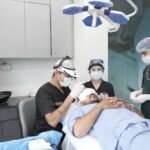









The Psychological Effects of Plastic Surgery
The decision to undergo plastic surgery often comes from a desire to improve physical appearance, but it can also have significant psychological effects. Understanding these effects is vital for anyone considering or having gone through the process. While there can be short-term boosts in self-esteem, the long-term impact is often more complicated.
Many individuals report feeling happier and more confident following their surgeries. Initial changes to their appearance can lead to increased social acceptance and a boost in self-esteem. This is particularly true in cases where individuals felt unsatisfied with a specific aspect of their appearance, such as a prominent nose or underdeveloped breasts. When these features are altered, it can help patients feel more aligned with their self-image.
Common Psychological Effects
However, not all psychological effects are positive. It is essential to recognize some negative aspects that may arise:
- Body Dysmorphic Disorder (BDD): Some patients develop an obsessive focus on perceived flaws after surgery. This condition can be exacerbated when they are not satisfied with the outcome.
- Increased Anxiety: The pressures of maintaining a new look may cause feelings of anxiety and stress, especially if the surgery did not meet their expectations.
- Social Isolation: Some individuals may withdraw from social activities after surgery, fearing judgment or comparisons to their pre-surgery selves.
- Disappointment and Regret: If outcomes don’t match expectations, patients can experience deep disappointment, leading to regret over the decision to undergo surgery.
The Role of Expectations
Expectations play a crucial role in the psychological effects of plastic surgery. Before surgery, individuals often imagine how much better their lives will be. Unfortunately, when reality does not live up to these expectations, it can lead to dissatisfaction and emotional distress. For example, a patient who believes that a facelift will drastically improve their personal and social lives might struggle if nothing materializes. They may feel as if they have wasted time and money, leading to feelings of frustration and helplessness.
The Social Aspect of Plastic Surgery
Societal pressures significantly influence individual decisions related to cosmetic procedures. In today’s digital world, social media amplifies the need to conform to certain beauty standards. As a result, individuals can feel compelled to undergo surgery to fit in or gain approval from peers. This pressure can lead to a sense of validation or worth based solely on appearance. The psychological impact is profound, often leaving individuals to navigate feelings of inadequacy or insecurity if they do not achieve the desired look.
Furthermore, the perception of beauty is relative and shapes personal self-esteem. If someone constantly compares themselves to others displayed on social media, it can distort their self-image, leading them to believe that surgery is the only solution. The journey includes complex emotions tied to validation, identity, and societal acceptance.
Coping with Psychological Effects
It is essential for patients to prepare emotionally before undergoing procedures. Some strategies include:
- Realistic Expectations: Setting achievable goals and understanding that surgery isn’t a cure-all can help mitigate disappointment.
- Therapy or Counseling: Engaging with a mental health professional can provide valuable mental support before and after surgery.
- Support Groups: Joining communities of individuals with similar experiences can lead to feelings of understanding and acceptance.
In the end, being aware of the psychological aspects of plastic surgery is crucial. It helps patients make informed decisions that prioritize both physical and mental well-being. If you or someone you know is considering plastic surgery, The American Society of Plastic Surgeons offers resources and insights into the process and potential outcomes. Equally, National Institutes of Health can provide further information on the psychological aspects connected with surgical procedures.
Always remember that the right choice involves extensive research, understanding the potential impacts, and prioritizing mental health along the way.
Common Risks Associated with Cosmetic Procedures
Undergoing cosmetic procedures can seem appealing, especially when envisioning a new look. However, it’s important to consider the potential risks involved in these treatments. While many people are satisfied with the results, there are several risks associated with cosmetic procedures that you should understand before making a decision.
Understanding Common Risks
Individuals need to be aware of the common risks linked to cosmetic surgery. These risks can range from common side effects to serious complications. Here is a list of the most prevalent risks:
- Infection: Any surgical procedure carries a risk of infection. Though most infections can be treated with antibiotics, some may require additional surgeries.
- Scarring: Surgical procedures can leave permanent scars, which may not fade over time. Some patients find this aspect particularly concerning.
- Blood Clots: Cosmetic surgeries can increase the risk of blood clots forming, especially after a long period of inactivity post-surgery.
- Anesthesia Complications: Reactions to anesthesia can occur, which might pose immediate and serious health risks.
- Unsatisfactory Results: There is always a chance that the outcome may not meet your expectations, leading to further surgical procedures.
- Delayed Healing: Some patients may experience slower healing times, which can impact their recovery and overall satisfaction.
The Physical Risks
Physical complications can vary depending on the specific procedure you’re considering. For instance, procedures like breast augmentation may lead to implant complications, while liposuction can carry risks of fluid accumulation. Understanding these risks in more detail can empower you to make a well-informed decision.
Common Physical Complications
- Seroma: Fluid accumulation under the skin can lead to swelling and possible infection.
- Hematoma: Internal bleeding may result in swelling, pain, and bruising, sometimes requiring surgical intervention to resolve.
- Asymmetry: Changes in body contour from cosmetic enhancements can lead to unexpected asymmetry, prompting further corrective procedures.
The Psychological Risks
Beyond physical implications, psychological impacts can also affect individuals post-procedure. Many patients may go through emotional challenges, especially if the final results aren’t what they anticipated. It’s essential to address these psychological risks.
Emotional Well-being
Patients might experience feelings of anxiety, depression, or dissatisfaction with their appearance after surgery. Understanding these feelings is crucial. It’s advisable to speak with a mental health professional or therapist prior to undergoing cosmetic procedures.
Preparing for Surgery
Preparation can significantly reduce the risks associated with cosmetic surgeries. Here are some steps you can take:
- Choose a Qualified Surgeon: Ensure your surgeon is board-certified and has extensive experience with the specific procedure.
- Discuss Medical History: Be open about your medical history and any medications you take to reduce the risk of complications.
- Follow Pre-Op Instructions: Adhere to all pre-operative guidelines set by your surgeon to aid in recovery.
Post-Operative Care
Post-care is equally crucial in managing the risks associated with cosmetic procedures. Follow these guidelines for a smoother recovery:
- Attend Follow-Up Appointments: Regular check-ups can help monitor your recovery progress and address any issues early.
- Watch for Symptoms: Be alert for signs of infection or unusual symptoms, such as fever or increased pain, and contact your surgeon promptly if they occur.
- Give Yourself Time: Allow adequate time for recovery, both physically and emotionally, to avoid burnout.
While cosmetic procedures can offer benefits, it’s crucial to consider the associated risks carefully. Educate yourself and gather as much information as possible from reliable sources. Websites like American Society of Plastic Surgeons and RealSelf provide valuable insights into the risks and rewards of cosmetic surgery, ensuring that you feel confident in your decision-making process.
Societal Pressure and the Allure of Perfection
The quest for perfection has been deeply rooted in societal norms, influenced by media, culture, and interpersonal relationships. From a young age, many individuals are bombarded with images of ideal beauty and success that distort reality. This continuous exposure fosters an environment where inadequacy thrives, leading many to believe they must change themselves to meet these unrealistic standards.
In today’s society, social media platforms play a significant role in shaping our perceptions of beauty and perfection. As you scroll through your feeds, images are often retouched and filtered, creating an illusion of flawlessness. This curated content can set unattainable standards that contribute to feelings of insecurity. You might find yourself wondering, “Why don’t I look like that?” or “What am I missing?” This line of thinking reinforces the allure of seeking change through drastic means such as plastic surgery.
The types of societal pressures affecting body image
Various types of societal pressures influence how individuals perceive their bodies. Here are some of the most common:
- Media Influence: Television, movies, magazines, and online content often showcase idealized body types, leading viewers to feel inadequate in comparison.
- Peer Pressure: Friends and acquaintances can subtly or overtly pressure individuals to conform to specific beauty standards, affecting self-esteem.
- Cultural Expectations: Different cultures have varied definitions of beauty, often leading to conflicting feelings about body image.
- Advertising: Companies utilize models and advertisements to sell products by idealizing a particular look, which can further distort perceptions of beauty.
As you become aware of these influences, it may help to remind yourself that real beauty comes in diverse forms. Each person’s uniqueness should be celebrated, rather than conformed to a narrow standard.
Psychological effects of the pursuit of perfection
The continual chase for an ideal appearance can have detrimental effects on mental health. Many people who feel they don’t measure up experience:
- Low Self-Esteem: Constantly comparing oneself to the ideals set by society can damage self-worth.
- Body Dysmorphic Disorder: This is when an individual becomes preoccupied with perceived flaws in their appearance, leading to unhealthy habits, including extreme dieting or excessive exercising.
- Anxiety and Depression: The pressure to achieve perfection can result in overwhelming anxiety and even clinical depression.
Understanding these psychological effects can empower you to push back against harmful societal messages. Instead of seeking validation from others, it is essential to cultivate self-acceptance and self-love.
The role of the beauty industry
The beauty industry thrives on the notion of perfection. Many companies market products that promise transformative results, playing into insecurities. The rise of cosmetic procedures is a direct reflection of this industry’s influence. Advertisements often promote the message that achieving beauty equates to happiness and success. As a result, many feel compelled to undergo interventions like plastic surgery in search of that elusive perfect look.
However, it is vital to recognize that the majority of these procedures come with risks. Surgical complications, financial strain, and potential dissatisfaction with results can lead to further issues. A [study by the American Society of Plastic Surgeons](https://www.plasticsurgery.org/news/press-releases/surgery-trend-2019-major-increase-in-plastic-surgery) reveals that while many individuals seek cosmetic surgeries, a profound understanding of self-worth must precede this decision.
Building a healthier perspective
To combat the allure of perfection, consider practicing the following:
- Positive Affirmations: Regularly remind yourself of your unique qualities and strengths.
- Limit Social Media Use: Take breaks from platforms that contribute to negative self-comparisons.
- Seek Support: Surround yourself with people who value you for who you are, rather than how you look.
- Educate Yourself: Understand the realities behind images in media, including airbrushing and editing techniques.
Ultimately, the allure of perfection does not lead to lasting happiness. Embracing authenticity can foster a sense of peace and fulfillment that any external change cannot achieve.
This journey towards self-acceptance may not always be easy, but it is essential for both mental health and personal contentment. By recognizing societal pressures and choosing to prioritize your well-being, you pave the way for a life defined by authenticity, not by an unrealistic ideal.
For further reading and resources on body image and mental health, consider visiting MentalHealth.gov or National Eating Disorders Association.
The Financial Cost of Plastic Surgery: Worth It?
The financial implications of plastic surgery often become a pivotal part of the decision-making process for individuals considering these procedures. With the rise of cosmetic enhancement, it’s essential to evaluate not only the emotional and physical impacts but also the substantial costs involved. Understanding the full scope of financial investment can help you make an informed decision.
The Average Costs of Common Procedures
Plastic surgery encompasses a wide array of procedures, each with its own price range. Here are some common surgeries and their approximate costs:
| Procedure | Cost Range (USD) |
|---|---|
| Rhinoplasty | $5,000 – $15,000 |
| Breast Augmentation | $6,000 – $12,000 |
| Liposuction | $3,000 – $10,000 |
| Facelift | $7,000 – $15,000 |
| Abdominoplasty (Tummy Tuck) | $6,000 – $12,000 |
These prices vary significantly depending on factors such as the surgeon’s expertise, location, and specific patient’s needs.
Hidden Costs to Consider
When thinking about plastic surgery, it’s crucial to account for hidden expenses that may not be evident at first glance. These can include:
- Anesthesia Fees: The cost of anesthesia can range from $500 to $1,500, depending on the complexity of the surgery.
- Facility Fees: Surgical facility fees can add anywhere from $1,000 to $5,000 to your total costs.
- Post-Operative Care: Follow-up visits and additional treatments necessary for optimal recovery should also be included.
- Complications or Revision Surgery: If complications arise or you’re dissatisfied with the results, revision surgery may be necessary, incurring additional costs.
Financing Options
Many clinics offer various financing options to help manage the high costs associated with plastic surgery. Here are some common methods:
- Medical Financing: Companies specialize in offering loans for medical procedures which can allow you to pay in installments.
- Credit Cards: Some people utilize credit cards, but be aware of high-interest rates that may apply.
- Personal Loans: Taking out a personal loan from a bank or credit union can be a feasible option for many.
The Emotional and Psychological Impact
While financial cost is significant, the emotional readiness for plastic surgery is equally important. Many individuals may experience feelings of regret or disappointment post-surgery if they don’t manage their expectations. This can lead to additional emotional and financial strain if further procedures become necessary. Make sure you research and reflect on your motivations thoroughly.
Understanding Value vs. Cost
Before proceeding with any surgical enhancement, consider whether the financial expense aligns with the perceived value you believe you will gain. Here are some questions to ask yourself:
- Will this procedure improve my quality of life?
- Am I considering this surgery for the right reasons?
- What are the long-term implications of undergoing this procedure?
- Can I afford potential follow-up costs?
Understanding the financial ramifications of plastic surgery is fundamental for anyone thinking about going under the knife. With thorough research and planning, you can navigate through the maze of costs and make a decision that aligns with your budget, values, and expectations.
If you’re considering plastic surgery, it may be helpful to consult resources such as The American Society of Plastic Surgeons or RealSelf, where you can gain valuable insights and information about the financial costs and implications.
Long-term Health Implications of Cosmetic Enhancements
Cosmetic enhancements have gained immense popularity in recent years, with many individuals opting for procedures to alter their appearance. However, while the immediate effects might seem appealing, the long-term health implications require careful consideration. Understanding the potential risks can help individuals make more informed decisions regarding these enhancements.
Physical Health Risks
One of the primary concerns related to cosmetic enhancements is the array of physical health risks they may pose. Depending on the type of procedure, these risks can vary significantly:
- Infection: Surgery opens the body to potential bacterial infections. Post-operative infections can lead to serious complications that may necessitate additional medical intervention.
- Scarring: Many surgical procedures leave scars that may be permanent. Some individuals may experience keloid formation, where the scar grows larger than the original injury.
- Complications from Anesthesia: Cosmetic surgeries often require anesthesia, which carries risks of allergic reactions, respiratory complications, and even death.
- Device-related Risks: For individuals opting for implants—such as breast enhancements or buttock augmentation—there are risks associated with the devices themselves, including rupture or shifting, leading to further surgeries.
Mental Health Considerations
Additionally, there are significant mental health factors to consider when debating cosmetic enhancements. Here are some potential impacts:
- Body Dysmorphic Disorder (BDD): Some individuals may struggle with BDD, a condition where a person becomes preoccupied with perceived flaws in their appearance. Cosmetic enhancements may offer temporary relief, but often do not solve underlying psychological issues.
- Expectation vs. Reality: Many people enter surgery with high expectations, anticipating a major boost in self-esteem. However, if the results do not meet these expectations, it can lead to disappointment and frustration, sometimes worsening pre-existing mental health conditions.
- Dependency on Cosmetic Procedures: Regular enhancements may lead to a cycle of dependency, where individuals feel compelled to continuously alter their appearance to feel satisfied.
Financial Implications
Cosmetic enhancements often come with a hefty price tag, and for many, the financial impact can lead to long-term issues:
- Hidden Costs: The initial procedure cost is only part of the financial equation. Follow-up surgeries, potential complications, and ongoing skincare or maintenance can add up significantly over time.
- Lifestyle Changes: Financial strain from expenses can lead to lifestyle changes, impacting areas like mental well-being, relationships, and overall happiness.
Alternatives to Cosmetic Enhancements
For those concerned about the health implications of these procedures, there are alternatives that promote well-being without invasive measures:
- Healthy Lifestyle Choices: Focusing on balanced nutrition, regular exercise, and adequate sleep can contribute to a naturally enhanced appearance.
- Mindful Practices: Engaging in yoga, meditation, or mindfulness can improve mental health and body image without resorting to surgical enhancements.
- Professional Guidance: Consulting with mental health professionals can help individuals address body image issues and build self-esteem without cosmetic changes.
Informed Decision Making
Making an informed decision about cosmetic enhancements involves understanding both the short-term allure and the potential long-term health implications. Research and thorough consultations with licensed professionals can guide you on your path. Resources such as the American Society of Plastic Surgeons provide valuable information regarding the risks and benefits.
While cosmetic enhancements may enhance your appearance temporarily, it is essential to weigh their impacts on your physical, mental, and financial well-being. Seek professional guidance, gather reliable information, and consider alternatives that align better with lasting health.
Potential Resources for Further Reading
| Resource | Description |
|---|---|
| American Society of Plastic Surgeons | Insights on the latest trends and surgeries, along with safety information. |
| National Center for Biotechnology Information | Research articles discussing the implications of cosmetic procedures on health. |
| Psychology Today | Articles on the psychological impacts of cosmetic enhancements. |
Natural Alternatives to Achieve Desired Aesthetic Changes
Many people seek aesthetic changes to enhance their appearance. While surgical options are common, there are numerous natural alternatives that provide effective results. These alternatives can help you achieve your desired look without the risks associated with surgery. Let’s explore some viable options that promote beauty and well-being naturally.
Dietary Changes for Radiant Skin
What you eat plays a significant role in how your skin looks and feels. nutrient-rich foods can lead to improvements in your complexion. Here are some dietary elements to consider:
- Fruits and Vegetables: Rich in antioxidants, these help combat free radicals. Dark leafy greens, berries, and citrus fruits are especially beneficial for youthful skin.
- Healthy Fats: Foods like avocados, nuts, and olive oil provide essential fatty acids that promote skin elasticity and hydration.
- Hydration: Drinking plenty of water keeps your skin healthy and can reduce the appearance of wrinkles.
Herbal Remedies for Natural Aesthetics
Herbs have been used for centuries to enhance beauty. Here are a few popular herbal remedies:
- Aloe Vera: Known for its soothing properties, aloe vera gel can help with skin hydration and healing.
- Green Tea: Packed with antioxidants, green tea can improve skin texture and reduce signs of aging.
- Chamomile: This herb has anti-inflammatory properties, making it perfect for soothing irritated skin.
Physical Activity and Its Benefits
Staying active is crucial not just for overall health but also for enhancing your physical appearance. Regular exercise can contribute to a healthier you:
- Improved Circulation: Exercise boosts blood flow, nourishing skin cells and delivering more oxygen.
- Stress Reduction: Engaging in physical activity releases endorphins that improve your mood, giving your skin a natural glow.
- Weight Management: Maintaining a healthy weight can enhance your profile and boost confidence.
Skincare Rituals
Establishing a daily skincare routine can dramatically improve your skin’s appearance. Here is a simple regimen to follow:
| Step | Recommended Product | Benefits |
|---|---|---|
| Cleanser | Gentle Foaming Cleanser | Removes dirt and impurities |
| Toner | Natural Aloe Vera Toner | Balances skin’s pH and hydrates |
| Moisturizer | Organic Coconut Oil | Deeply hydrates and nourishes |
| SPF | Mineral Sunscreen | Protects against harmful UV rays |
Meditation and Mental Wellness
Don’t underestimate the importance of mental health in your aesthetic journey. Stress can affect your skin and overall appearance. Here are some practices to consider:
- Mindfulness Meditation: Helps reduce stress and anxiety, which can lead to clearer skin.
- Yoga: Enhances circulation and promotes a relaxed state, benefiting both your mind and body.
- Gratitude Journaling: Focusing on positive aspects can enhance your overall outlook, affecting how you carry yourself.
Implementing these natural alternatives in your daily routine can lead to noticeable aesthetic changes. Remember, beauty comes from within, and taking care of your body and mind plays a crucial role in how you feel about your appearance. If you’re keen on learning more about natural beauty practices, consider visiting resources like Verywell Fit and Healthline. Your journey to achieving your desired aesthetic changes can be empowering and fulfilling through these natural avenues.
Real Stories: Individuals Regretful of Their Surgical Choices
Many individuals hope that plastic surgery will enhance their appearance and boost their confidence. However, there are real stories of people who have regretted their surgical choices, with experiences that serve as cautionary tales. Understanding these personal accounts can provide insight into the risks involved in undergoing cosmetic procedures.
One common theme among those who regret their decisions is the pressure they felt from societal standards of beauty. For instance, a woman named Sarah shared her story of undergoing breast augmentation. Initially, she thought new implants would improve her self-esteem and help her fit in with her friends. However, the reality turned out to be different. After her surgery, she experienced chronic pain and complications that left her feeling worse than before. She now wishes she had embraced her natural body rather than chasing an ideal that was not true to herself.
In another instance, a young man named Mark opted for a rhinoplasty, hoping to fix what he perceived as a flaw in his nose. Unfortunately, the result was not what he expected. The surgery left him with not only a changed nose but also unexpected side effects, including breathing difficulties. Instead of feeling confident, he felt embarrassed about the outcome and stressed about the possibility of needing corrective surgery in the future.
For some individuals, the emotional toll can be just as significant as the physical one. Jennifer, who underwent liposuction, found herself grappling with feelings of regret long after her procedure. She believed that losing weight through surgery would lead to happiness and acceptance, but instead, it amplified her insecurities. Instead of loving her new shape, she grew more troubled by societal pressures and her own self-image. Jennifer now communicates to others the importance of self-acceptance before considering surgery.
Complications from surgery have also been reported by numerous individuals. A common result of these regrets includes infections or poor healing, which can lead to longer-term issues. A table below summarizes some key complications reported by people who underwent various types of surgeries:
| Type of Surgery | Common Complications |
|---|---|
| Breast Augmentation | Capsular contracture, infection, pain |
| Rhinoplasty | Breathing problems, asymmetry, need for revision |
| Liposuction | Fluid accumulation, contour irregularities, infection |
Many of these stories emphasize a crucial point: the importance of researching and understanding the potential risks before undergoing any surgical procedure. Some individuals, motivated by social media and celebrity influence, leap into decision-making without fully grasping the long-term effects. Emily, a social media influencer, regrets her extensive facial procedures driven by the desire to look perfect online. She emphasizes that online perceptions can be misleading and urges others to think critically about their choices.
It’s vital to consider psychological implications as well. Past studies have shown that those who base their self-worth on fleeting ideals may struggle with body image, leading to a cycle of dissatisfaction. Several regretful patients have realized that surgery cannot solve deeper emotional issues. Instead of focusing solely on appearance, individuals should engage in self-reflection and explore healthy coping strategies.
As stories unfold, the experiences of these individuals highlight the importance of being fully informed before making a decision. Consulting with professionals, discussing concerns openly, and weighing the consequences of such choices can decrease the likelihood of regret. Speaking with other patients and thoroughly understanding before and after scenarios can prepare individuals for what to expect, both physically and emotionally.
If you are contemplating plastic surgery, it’s essential to seek reliable information and evaluate your motivations thoroughly. Resources like The American Society of Plastic Surgeons provide valuable insights on potential outcomes and complications and can help set realistic expectations. Hearing from others, including those with regretful experiences, can lead to more insightful decisions regarding your body and well-being.
Ultimately, every individual’s journey through cosmetic surgery is distinct. Learning from others’ experiences emphasizes the importance of knowledge and understanding to empower personal choices. As the testimonies unfold, it becomes clear that an informed decision can minimize the risk of regret and guide individuals towards true self-acceptance.
Key Takeaway:
Plastic surgery may seem tempting with the promises of beauty and perfection, yet it carries significant risks that are often overlooked. The psychological effects can be profound, with many individuals feeling increased anxiety and disappointment after undergoing procedures. The allure of achieving societal ideals of beauty can drive people to chase unattainable standards. As you consider these procedures, understand that the psychological impact can be just as important as the physical changes.
Beyond mental health, cosmetic surgeries come with common risks that include infections, scarring, and complications requiring further medical intervention. Many people are unaware of these risks before deciding to go under the knife, leading to unexpected and sometimes life-altering consequences. This highlights the importance of thorough research and informed decision-making when contemplating any type of cosmetic enhancement.
Furthermore, the societal pressure to look a certain way is a major driving force behind the desire for plastic surgery. With the rise of social media, images of perfection are constantly showcased, making it easy to feel inadequate. Unfortunately, the pursuit of these unrealistic standards can result in deeper self-esteem issues, creating a harmful cycle of reliance on surgical outcomes for happiness.
Let us not forget the financial implications of such procedures. The costs can be staggering, often requiring loans or exhausting savings, raising the question of whether these enhancements are truly worth the expense. Many individuals find themselves regretting their investment, prompting a reevaluation of values where natural beauty may have been sufficient.
Moreover, the long-term health implications of cosmetic enhancements are often underestimated. Surgery can have lasting effects on your body, affecting not just your physical health but also your emotional well-being. Opting for natural alternatives can provide a more sustainable pathway to achieving desired aesthetic changes without the risks attached to surgery.
Countless stories exist of individuals who regret their surgical choices. Listening to recounts from those wishing they had embraced their natural appearances instead of chasing fleeting trends may serve as a powerful reminder. Ultimately, it is essential to weigh the pros and cons carefully and consider alternatives that promote self-acceptance and well-being—prioritizing beauty from within rather than solely through surgical enhancements.
Conclusion
Navigating the world of plastic surgery can be daunting and often leads to unforeseen consequences. Many individuals, driven by societal pressures and the quest for perfection, may not fully grasp the psychological effects that accompany these decisions. The allure of a more youthful or appealing appearance often glosses over the common risks that come with cosmetic procedures, including infections and complications that can arise from surgical interventions.
Moreover, the financial burden of these enhancements raises an important question: is the cost of satisfaction truly worth the potential pitfalls? Many find themselves grappling with long-term health implications that can outweigh any immediate benefits. The stories of those who regret their surgical choices serve as poignant reminders of the importance of thoroughly considering one’s motivations and potential outcomes before undergoing any procedure.
Fortunately, there are natural alternatives that can help you achieve desired aesthetic changes without the risks associated with surgery. Embracing lifestyle modifications and non-invasive treatments can offer a more sustainable and healthier path towards self-improvement. Ultimately, the decision to pursue plastic surgery should be made with careful thought and deep self-reflection, prioritizing overall well-being over fleeting notions of beauty. Engaging with both the physical and emotional aspects of one’s journey is essential for fostering a healthy self-image, recognizing that true beauty often lies in authenticity rather than conformity.